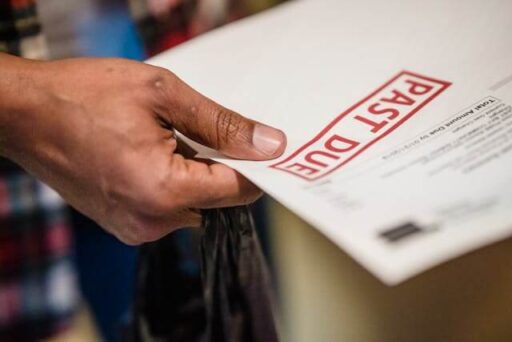
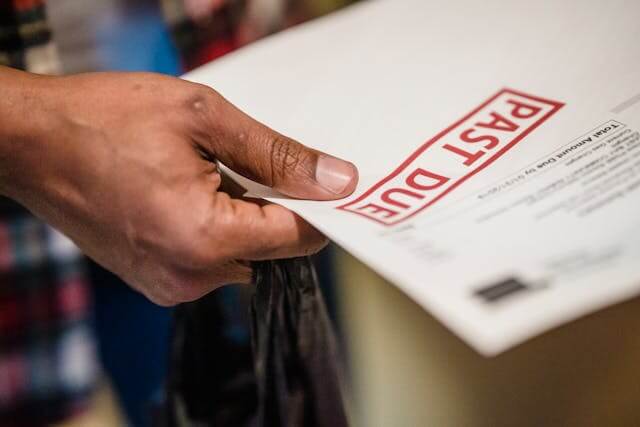

A worrying 52% of businesses have unpaid invoices floating in digital limbo, with simple administrative friction the most common cause. Most owners assume a late payment is a sign of a client’s poor character or a lack of funds. In reality, your cash flow is likely suffering because of a clerical error that gave a corporate accounting department a valid reason to hit the pause button.
Efficiency in billing is not just about getting paid. It is about maintaining a professional reputation that signals you are easy to work with.
If your documentation is messy, your client’s accounts payable team has to work harder to process your payment. People generally do not like working harder, especially when it involves parting with cash.
This guide breaks down the most common invoicing traps that keep your bank balance lower than it should be. By identifying these friction points, you can tighten your operations and ensure that your hard work translates into liquid capital without the constant need for “just checking in” emails.
1. Missing Specific Due Dates and Net Terms
Vague payment terms are the primary reason invoices get pushed to the bottom of the pile. When you write “Due upon receipt” or “Payable within 30 days,” you are asking the client to do the math and determine their own deadline. Corporate systems often default to the latest possible date when terms are not explicit.
A 2025 UK study on small business payments found that over a quarter of delays stem from unclear instructions. Instead of using intervals, provide a hard calendar date. Writing “Due: June 15, 2026” removes all ambiguity. It creates a concrete milestone in the client’s accounting software that triggers an actual payment run.
Standardizing your layout ensures that these dates are never overlooked by busy managers. You can easily prevent these oversights by adopting professional Invoice Simple bill templates that provide dedicated fields for every essential detail. This keeps your branding consistent while ensuring the most critical data points are front and center.
2. Inaccurate Client Information and Contact Details
Sending an invoice to the wrong person is a guaranteed way to add two weeks to your payment cycle. Large companies planning overseas expansion have specific workflows where an invoice must be addressed to a specific department or include a unique Purchase Order (PO) number. If that number is missing or the “Bill To” field lists your main point of contact instead of the AP department, the document will likely be deleted or archived without notice.
You should always verify the entity’s exact legal name before billing. Using a nickname or a parent company’s name when the contract is with a subsidiary can cause a legal mismatch in their system.
Effective billing starts with a rigorous pre-flight check of your data.
- Confirm the specific email address used by the accounting department
- Include the correct PO number or project code in the header
- Verify the physical address matches the client’s official tax records
Once you establish a clean data set for a client, stick to it. Changing your format or the way you list client details mid-project can trigger security flags in modern automated accounting software.
3. Vague Line Items That Require Explanation
An invoice should be a self-explanatory document that requires zero follow-up. If you list a service as “Consulting Services” or “Project Phase 2,” you are inviting the client to pause and wonder what exactly they are paying for. This creates a mental barrier to payment.
Describe your work with enough detail that a third party who wasn’t involved in the project could understand the value provided. Instead of “Design Work,” try “Homepage Wireframes and Mobile UI Kit Revision 3.” Specificity builds trust and reduces the likelihood that a client will question the bill.
4. Skipping Sequential Invoice Numbering
Inconsistent numbering is a massive red flag for professional clients and tax auditors alike. In 2026, security filters in automated AP systems are increasingly flagging non-sequential or duplicate invoice numbers as potential fraud. If your numbering jumps from 101 to 500, or if you send two different invoices labeled “001,” you are asking for a manual review.
Manual reviews are the graveyard of fast payments. A human has to step in, find the discrepancy, and email you for clarification. Use a simple, linear system, such as “INV-2026-001,” to keep things organized. This also makes your own bookkeeping significantly easier when tax season rolls around.
Optimizing Your Billing Workflow
Fixing your invoicing process is the highest-leverage move you can make for your business’s health. It requires no new sales and no extra hours of labor. It simply requires a commitment to administrative precision and a professional presentation.
When you treat your billing with the same level of care as your actual service delivery, clients take you more seriously. You stop being a “vendor” and start being a professional partner.
Consistency is the ultimate key to a healthy bank account. For more strategies on managing your business finances and improving client relationships, check out our other posts.