
Running an office building is not just about keeping the lights on and the doors open. It involves managing a wide range of daily tasks that directly impact how people work and how a business is perceived. Employees expect a clean and comfortable environment, while clients often notice the smallest details during their visit. From safety to maintenance, every part of the building needs consistent attention. A well-structured facilities management checklist helps keep everything on track and ensures that nothing important is overlooked.
1. Pest Prevention, Health, and Facility Hygiene
Keeping an office clean and pest-free starts with addressing the small things. Food crumbs, standing water, leaky pipes, and unsealed gaps in walls are common entry points that can quickly turn into bigger problems if left unchecked.
Routine inspections are essential. Plumbing, storage areas, and HVAC systems should all be reviewed regularly, as moisture and poor ventilation create conditions where pests thrive. Shared spaces like kitchens, break rooms, and restrooms need daily cleaning, and waste areas should be kept sealed and organized.
Good ventilation also helps by reducing indoor humidity, which discourages pests from settling while keeping the workplace comfortable for employees.
Even with strong internal practices, professional support is often the most reliable line of defense. Reviewing available commercial pest control options early and scheduling routine treatments is one of the most effective ways to stop infestations before they begin.
2. Building Systems and Equipment Management
Modern office buildings rely on multiple systems to function smoothly. Elevators, heating and cooling systems, lighting, and backup power sources all need regular maintenance. If one system fails, it can disrupt the entire building.
HVAC systems should be serviced frequently to keep temperatures stable and energy use efficient. Lighting should also be checked to ensure all areas are properly lit while using energy-saving solutions where possible.
Backup systems, such as generators, are important for handling unexpected outages. Regular testing ensures they are ready to work when needed. Smart building technology can also help track performance and detect issues early, making maintenance more efficient.
3. Security and Access Control
Security is a top priority for any office building. Employees and visitors need to feel safe at all times. Access control systems, such as key cards or entry codes, help manage who can enter different areas of the building.
Security cameras should be placed in key locations and monitored regularly. A reliable surveillance system can help prevent incidents and provide useful information if something does happen.
Visitor management is another important part of security. Keeping track of who enters and leaves the building adds an extra layer of protection. Emergency response plans should also be in place so everyone knows what to do in case of an incident.
4. Cleaning and Janitorial Services
A clean office creates a positive environment and helps improve productivity. Daily cleaning tasks should include wiping down surfaces, emptying trash, and maintaining restrooms.
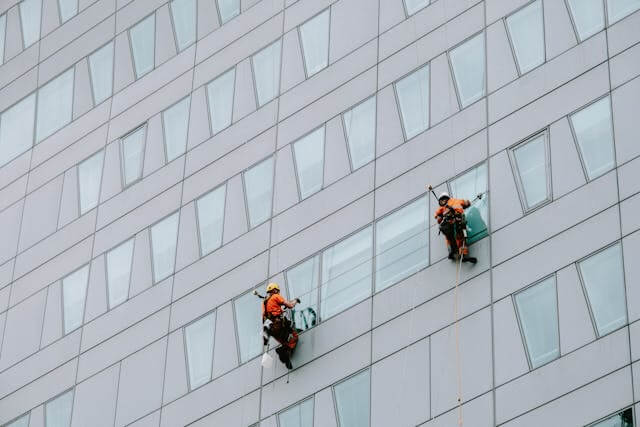
In addition to daily cleaning, deep cleaning should be scheduled regularly. This includes carpets, windows, and furniture that may not be cleaned as often. Keeping these areas clean helps extend their lifespan and improves overall appearance.
Stocking essential hygiene supplies is another important responsibility. Items like soap, paper towels, and sanitizers should always be available. Recycling programs can also be introduced to support environmentally friendly practices.
5. Space Planning and Workplace Comfort
A well-planned office layout can make a big difference in how people work. Spaces should be organized in a way that supports productivity while also allowing for comfort.
Ergonomic furniture, proper lighting, and temperature control all contribute to a better work environment. Employees who feel comfortable are more likely to stay focused and perform well.
Noise management is another factor to consider, especially in open office layouts. Quiet areas or meeting rooms can help reduce distractions. Break areas and relaxation spaces also give employees a place to recharge during the day.
6. Vendor and Service Management
Facilities management often involves working with multiple service providers. This can include cleaning companies, maintenance teams, and security services. Choosing reliable vendors is important for maintaining quality.
Scheduling regular service visits helps prevent unexpected issues. It is also important to review vendor performance and make sure they are meeting expectations.
Budget management plays a role here as well. Tracking expenses and comparing service costs can help keep operations within budget while still maintaining quality.
7. Compliance and Regulations
Office buildings must follow local laws and regulations to operate safely. This includes building codes, safety standards, and accessibility requirements.
For example, ensuring ADA compliance helps make the building accessible to everyone. Health and environmental regulations should also be followed to avoid penalties and maintain a safe environment.
Keeping proper records and documentation is important for inspections. Staying updated with current regulations helps avoid any compliance issues in the future.
8. Sustainability and Energy Efficiency
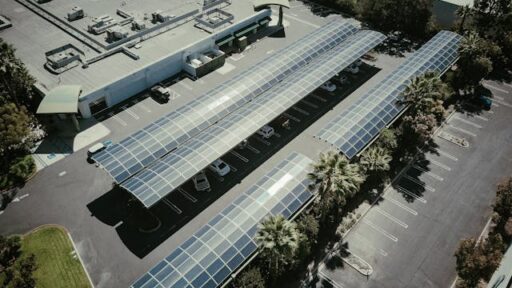
Sustainability is becoming more important in modern office buildings. Simple changes like switching to LED lighting or using energy-efficient appliances can reduce costs and lower environmental impact.
Water conservation systems and waste reduction programs can also be introduced. Monitoring energy usage helps identify areas where improvements can be made.
Encouraging employees to follow sustainable practices, such as recycling and reducing waste, can further support these efforts. A more sustainable building not only saves money but also creates a positive image for the business.
9. Emergency Preparedness
Being prepared for emergencies is a key part of facilities management. Clear evacuation plans should be in place and easy for everyone to understand.
Emergency contact lists should be updated regularly, and first aid kits should be easily accessible. Having trained staff members who know how to respond in emergencies can make a big difference.
Regular drills help ensure that employees are familiar with procedures. Backup communication systems can also help keep everyone informed during unexpected situations.
Keeping an office building running smoothly requires attention to many different areas, but having a clear checklist makes the process much easier. When health, safety, maintenance, and comfort are all managed properly, it creates a better experience for everyone in the building. A proactive approach helps prevent problems, reduces costs over time, and supports a professional environment where businesses can thrive.