
Concrete floors play a vital role in warehouses, factories, distribution centres, production facilities, and commercial buildings. While a floor may look smooth at first glance, small surface variations can affect safety, equipment performance, racking installation, and day-to-day operations. In high-demand environments, even minor unevenness can create costly problems over time.
Professional Concrete Flatness Testing helps businesses understand whether a floor meets the required standards for its intended use. By measuring the surface accurately, it provides clear data that can guide repairs, quality control, handover decisions, and long-term flooring performance.
What Is Concrete Flatness Testing?
Concrete flatness testing is a specialist process used to assess how flat and level a concrete floor surface is. It identifies high spots, low spots, slopes, dips, and irregular areas that may affect the way the floor performs.
This type of testing is especially important in industrial and warehouse environments where forklifts, pallet trucks, automated systems, and high-bay racking operate. These settings often require floors to meet specific tolerances to ensure equipment can move safely and efficiently.
Rather than relying on visual inspection, flatness testing provides measurable results that help businesses make informed decisions.
Why Concrete Floor Flatness Is Important
Concrete floors need to support more than foot traffic. In many workplaces, they must handle heavy loads, regular vehicle movement, storage systems, and specialist machinery.
If the floor is uneven, it can cause equipment vibration, unstable loads, slower vehicle movement, and increased wear on machinery. It may also create trip hazards or affect the installation of racking and flooring finishes.
A flat, consistent floor helps improve safety, efficiency, and reliability across the site.
Supporting Warehouse and Factory Safety
Safety is one of the main reasons to arrange concrete flatness testing. Uneven concrete can increase the risk of slips, trips, and vehicle instability, particularly in busy environments where people and machinery operate close together.
In warehouses with narrow aisles or high racking, floor irregularities can be especially problematic. A forklift carrying a raised load needs a stable surface to operate safely. Even small deviations can affect movement and control.
Testing helps identify problem areas before they lead to accidents or operational disruption.
Improving Forklift and Equipment Performance
Handling equipment performs best on a stable and even surface. When concrete floors are uneven, forklifts and pallet trucks may experience vibration, bouncing, steering issues, and extra mechanical strain.
Over time, this can increase maintenance costs and reduce the lifespan of equipment. Operators may also need to slow down in affected areas, which can reduce productivity.
Concrete flatness testing helps businesses identify where improvements are needed so that equipment can operate more smoothly and efficiently.
Useful for New Build and Refurbishment Projects
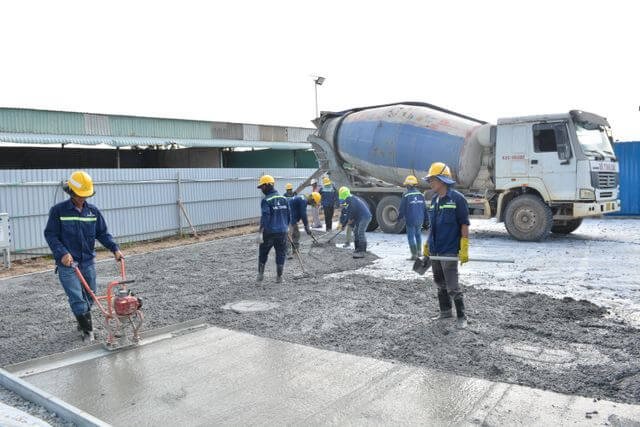
Flatness testing is valuable during both new construction and refurbishment projects. On a new build, it can confirm whether the concrete floor meets the agreed specification before handover. This provides useful evidence for contractors, developers, tenants, and facilities managers.
During refurbishment, testing can reveal whether the existing concrete slab is suitable for new flooring systems, racking, machinery, or layout changes. If issues are found early, they can be corrected before further work begins.
This can help prevent delays, disputes, and unexpected costs later in the project.
Helping with Flooring Installation
Many floor finishes depend on a suitable concrete base. Resin systems, screeds, coatings, vinyl, and specialist industrial surfaces may all perform poorly if installed over an uneven slab.
Concrete flatness testing helps assess whether the base is ready for the next stage of work. It can highlight areas that may require grinding, levelling, filling, or resurfacing before the final finish is applied.
Good preparation is essential for long-lasting flooring performance.
When Should Concrete Flatness Testing Be Carried Out?
Concrete flatness testing may be needed at several stages of a project or building lifecycle. It is often carried out after a new slab has been installed, before project handover, before racking installation, during warehouse upgrades, or before applying a new floor finish.
It may also be useful when operational problems are already being noticed. Warning signs can include forklift vibration, unstable loads, visible unevenness, drainage issues, cracking, or repeated concerns from equipment operators.
Testing early allows businesses to plan corrective work before problems become more serious.
What Happens After Testing?
After testing, the results are reviewed against the required floor tolerances. If the floor meets the necessary standard, the project can usually progress with greater confidence.
If issues are found, the next step is to identify the most suitable remedial solution. This may include grinding high spots, applying levelling materials, filling low areas, resurfacing sections, or carrying out more detailed flooring repairs.
The right approach depends on the floor condition, the intended use of the space, and the level of correction required.
FAQ
What is concrete flatness testing used for?
Concrete flatness testing is used to measure how flat and level a concrete floor is. It helps identify surface irregularities that may affect safety, equipment movement, flooring installation, or compliance with project requirements.
Why is flatness important for concrete warehouse floors?
Flatness is important because forklifts, pallet trucks, racking systems, and automated equipment need stable surfaces to operate safely and efficiently.
When should concrete flatness testing be arranged?
Testing should be considered after new concrete installation, before handover, before racking is installed, during refurbishment planning, or when uneven floor problems are affecting operations.
Can uneven concrete damage equipment?
Yes. Uneven concrete can increase vibration, strain forklift components, affect steering, and cause additional wear on handling equipment over time.
What happens if a concrete floor does not meet flatness requirements?
If a floor does not meet the required tolerance, remedial work may be recommended. This could include grinding, levelling, filling, resurfacing, or other corrective flooring treatments.
Conclusion
Concrete flatness testing is an important step for any business that relies on safe, durable, and efficient flooring. It provides accurate information about the condition of a concrete surface and helps identify issues before they affect equipment, staff safety, or project performance.
Whether for a new build, warehouse upgrade, flooring installation, or existing industrial site, professional testing gives businesses the data they need to make confident decisions and protect long-term operational value.