
Sustainable infrastructure shapes how economies grow and how communities function every day. Roads, power systems, and public services form the base that supports business activity, employment, and access to opportunity. Careful planning ensures these systems deliver value without placing pressure on natural resources.
Economic thinkers and investors like Wadie Habboush point to infrastructure as a practical driver of steady growth. Strong systems connect environmental care with economic expansion in a clear and measurable way. Balanced development helps regions build resilience while supporting business activity and social well-being.
The Link Between Infrastructure And Economic Stability
Reliable infrastructure creates a strong base for economic stability. Businesses rely on smooth transport, dependable utilities, and digital access to operate without delays. These systems reduce costs and improve productivity across sectors.
Consistent performance also attracts capital from investors who value stability. Regions with dependable infrastructure present fewer risks and more predictable outcomes. This environment supports steady financial activity and encourages expansion.
Energy Systems That Support Growth
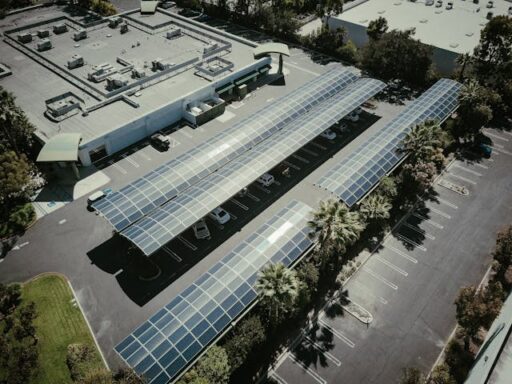
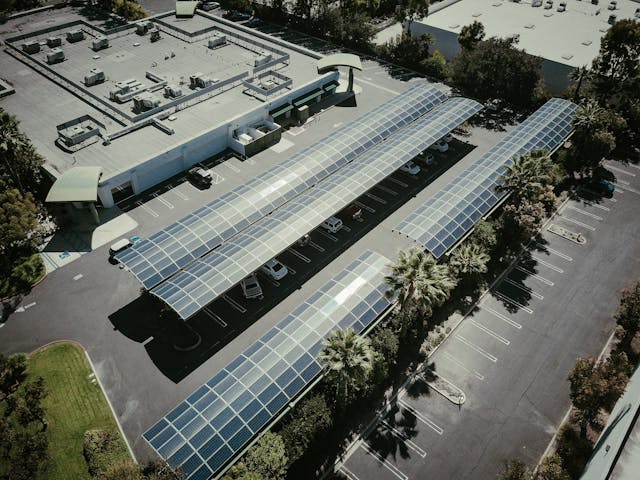
Efficient energy systems support industries and households in a direct way. Renewable energy sources provide a steady supply while lowering operating costs over time. This stability helps businesses plan and grow without sudden disruptions.
Energy development also encourages innovation and job creation. New technologies in solar and wind open doors for skilled work and technical progress. Communities gain access to reliable power that supports daily life and economic activity.
Transportation Networks And Market Access
Transportation systems connect goods, services, and people across regions. Strong networks reduce travel time and lower distribution costs for businesses. This efficiency supports trade and strengthens supply chains.
Better connectivity also expands access to jobs and services. Workers can reach opportunities more easily, and businesses can serve wider markets. Economic activity spreads across regions instead of concentrating in limited areas.
Urban Planning And Resource Efficiency
Thoughtful urban planning helps cities use resources in a smarter way. Efficient buildings, water systems, and waste management reduce unnecessary costs. These improvements make cities more functional and attractive.
Well-designed spaces also support economic activity. Clear layouts improve access to commercial areas and public services. Strong urban systems create an environment where businesses and communities can grow together.
Technology Integration In Infrastructure
Digital systems strengthen infrastructure performance across sectors. High-speed connectivity supports communication, trade, and data-driven decisions. Businesses benefit from faster operations and better coordination.
Smart technologies also improve maintenance and efficiency. Sensors and monitoring systems reduce downtime and prevent costly disruptions. Reliable digital networks support industries and enhance overall economic performance.
Social Impact And Workforce Development
Infrastructure plays a direct role in improving daily life. Access to clean water, energy, and transport supports health and education. These factors build a stronger and more capable workforce.
A stable workforce supports steady economic growth. Workers perform better when essential services are reliable and accessible. Infrastructure investment creates benefits that extend across both social and economic systems.
Sustainable infrastructure supports economic growth through stable systems that serve both businesses and communities. Investors like Wadie Habboush recognize how strong infrastructure connects energy, transport, and technology into a unified foundation for progress. Efficient planning improves daily life while supporting consistent financial activity. Regions that invest in these systems create opportunities for work, trade, and innovation. Growth gains strength when infrastructure meets practical needs and supports long-lasting development.