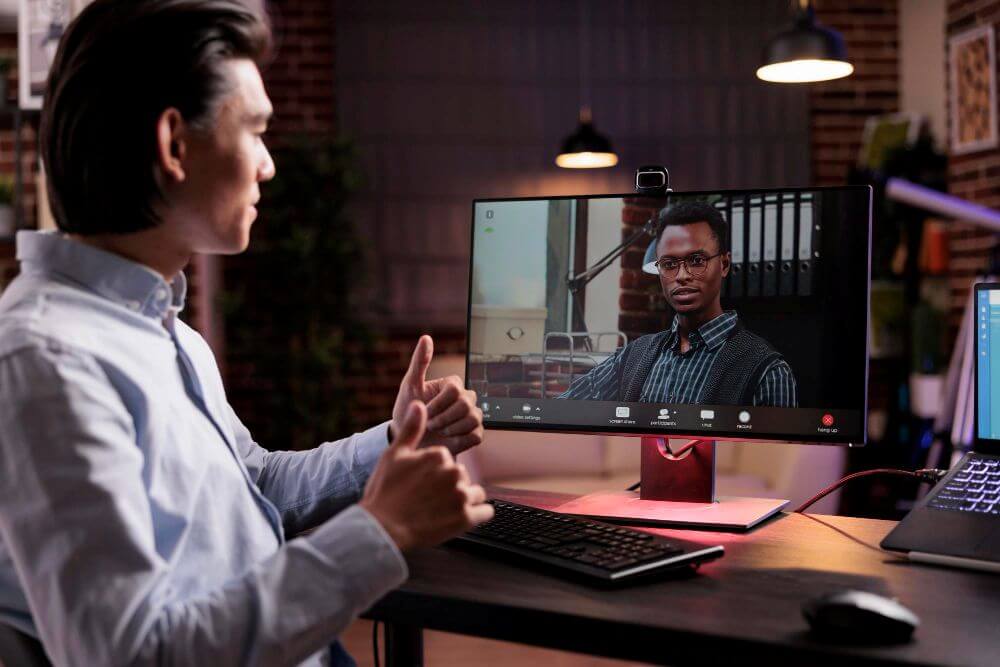

In today’s fast-paced job market, traditional face-to-face interviews are being replaced by one-way video interviews, which offer flexibility to both employers and candidates. This new interview format can seem daunting, but with the right approach, you can excel and stand out from other candidates. Whether you’re new to one-way video interviews or looking to improve your performance, this article will provide insider tips and best practices to ensure you succeed.
In addition to the standard interview tips, we will also delve into how API integrations can streamline the process for both candidates and employers, making the experience smoother and more efficient. Let’s explore the key strategies for acing a one-way video interview.
Why One-Way Video Interviews Are Becoming More Popular
One-way video interviews allow employers to pre-screen candidates without scheduling live interactions. This flexibility benefits both recruiters and job seekers. For employers, these interviews are time-saving, as they can evaluate candidates at their convenience. For candidates, one-way video interviews offer the ability to showcase their skills without the pressure of a live audience. This is particularly helpful for those who may be nervous or need time to think through their responses.
As companies continue to adopt more technology-driven recruitment processes, understanding how to navigate one-way video interviews effectively becomes increasingly important. Preparing for this format is crucial to stand out in a crowded job market.
Preparing for Your One-Way Video Interview
Before diving into the nuances of performing well in a one-way video interview, preparation is key. Here’s how to get ready:
1. Familiarize Yourself with the Interview Platform
Most companies use specific platforms for video interviews, like HireVue, Spark Hire, or a custom video solution. Many of these platforms offer API integrations that connect seamlessly with recruitment systems. Understanding how the platform works before the interview will help avoid technical hiccups and ensure you’re comfortable with the setup. Test the platform in advance, ensuring your camera and microphone are working properly.
2. Optimize Your Technology Setup
Ensure that your device is fully charged and connected to a reliable internet source. Many interview platforms integrate with APIs that offer real-time video and audio enhancements to improve the quality of the interview experience. Being aware of how these features work will help you present yourself in the best possible light.
Additionally, testing your lighting, camera angle, and background is important. A well-lit, neutral background is ideal, while positioning your camera at eye level ensures you’re looking directly at the screen.
Crafting Your Responses: How to Nail Your Interview
Since you won’t have a live person to interact with, it’s important to structure your responses in a clear, concise, and engaging way.
1. Prepare Your Answers in Advance
While it’s tempting to “wing it,” preparation is essential. Review common interview questions related to your job and industry. One-way video interviews often involve behavioral questions such as “Tell me about a time you demonstrated leadership.” Prepare specific examples that highlight your skills and experiences, focusing on the STAR (Situation, Task, Action, Result) method to provide well-rounded answers.
2. Maintain Engagement and Energy
Even though you’re speaking to a camera, you must maintain a high level of engagement throughout your responses. Use body language effectively; sit up straight, nod occasionally, and use hand gestures where appropriate. Smiling and varying your tone will also help convey enthusiasm.
3. Practice Makes Perfect
The beauty of a one-way video interview is that you can practice as much as you need. Record yourself answering common questions, watch the footage, and adjust your delivery. Consider timing your responses to stay within the recommended 1–2-minute range per question. Practicing multiple times will help you appear confident and prepared when it’s time for the real interview.
Leveraging API Integrations to Streamline the Interview Process
One of the key elements that has made one-way video interviews more efficient is the integration of application programming interfaces (APIs) into recruitment platforms. API integrations can automate various aspects of the interview process, making it seamless for both candidates and employers.
1. Automated Scheduling and Reminders
API integrations can sync interview schedules with candidates’ calendars, automatically sending reminders and follow-up notifications. For example, APIs can automatically send a message confirming the interview time, along with a link to the video platform. These integrations reduce the likelihood of candidates missing the interview or forgetting important details.
2. AI-Powered Analysis of Responses
Many one-way video interview platforms use AI to analyze candidates’ responses. APIs that integrate with AI-driven systems can assess your body language, facial expressions, and speech patterns, providing recruiters with valuable insights about your communication skills and confidence levels. While these features are not yet widely used in every interview platform, they are slowly becoming more common, so it’s important to be aware of this technology when preparing.
3. Seamless Data Integration
When you submit your interview video, APIs can automatically integrate your responses into an applicant tracking system (ATS) for easy review by the recruiter. This allows recruiters to quickly assess all candidates’ interviews and maintain a streamlined process for decision-making. As a candidate, this means your performance is accurately captured, and recruiters have immediate access to all your relevant information, allowing them to make faster decisions.
Creating a Comfortable Environment for the Interview
Your environment can make a significant difference in the outcome of the interview. Unlike face-to-face interviews, one-way video interviews require you to create a self-contained space that conveys professionalism and minimizes distractions. Here’s how to enhance your environment:
1. Choose a Quiet Location
Select a quiet room free of interruptions, such as background noise or people walking by. In some video platforms, the integration of noise-canceling technology via APIs can help minimize distractions, but a quiet setting still plays a major role in ensuring a successful interview.
2. Control Your Background
A clean, neutral background is best. If your home or office setting isn’t ideal, consider using a virtual background, but make sure it’s not distracting. Many interview platforms offer API-based virtual background features, but it’s important to choose one that won’t detract from your presence.
3. Dress Professionally
Dress as if you were attending an in-person interview. Even though you are on camera, dressing professionally can help you get into the right mindset and portray yourself as a serious candidate. Pay attention to details like grooming, as the camera will pick up on small nuances.
Common Mistakes to Avoid
While the tips above will help you succeed, here are some mistakes you should avoid during your one-way video interview:
1. Talking Too Fast or Too Slow
It’s important to maintain a steady pace while speaking. If you talk too fast, you risk sounding rushed or unprepared. Conversely, speaking too slowly may cause your responses to lose impact. Practice speaking at a comfortable pace and ensure that your words are clear and easy to follow.
2. Ignoring the Camera
Although it might be tempting to look at your computer screen, you should focus on the camera. Looking directly into the camera will make you appear more engaged and help establish a connection with the interviewer.
3. Overloading Responses with Information
While it’s important to answer questions thoroughly, avoid overwhelming your interviewer with excessive details. Stick to the most relevant points and be concise. Avoid rambling or offering information that doesn’t directly relate to the question.
Following Up After the Interview
After you complete your one-way video interview, it’s important to follow up. While this may seem like an extra step, it shows your professionalism and appreciation for the opportunity. A well-crafted follow-up email or message can reiterate your enthusiasm for the role and thank the employer for considering you.
1. Send a Thank-You Message
A brief, personalized thank-you message sent within 24 hours can leave a lasting positive impression. Express your gratitude for the opportunity and reaffirm your interest in the position.
2. Stay Patient
One-way video interviews typically don’t require immediate feedback, so be patient while awaiting a response. If you haven’t heard back in a reasonable timeframe (usually 1–2 weeks), consider sending a polite follow-up email to inquire about the next steps.
Conclusion
One-way video interviews are here to stay, and with the right approach, they can become an opportunity for you to shine. By preparing in advance, practicing your responses, optimizing your environment, and understanding how API integrations can streamline the interview process, you’ll set yourself up for success. Remember, confidence and professionalism are key in leaving a lasting impression with potential employers. With these insider tips in mind, you’re ready to tackle your next one-way video interview with confidence.