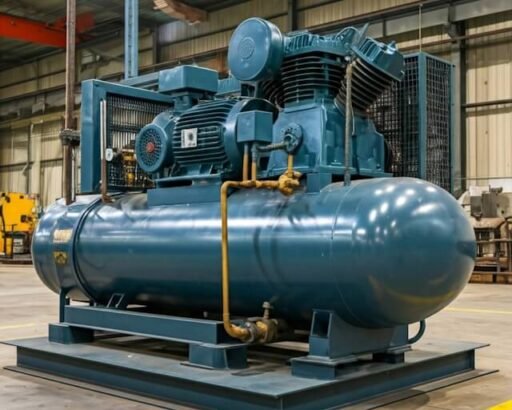
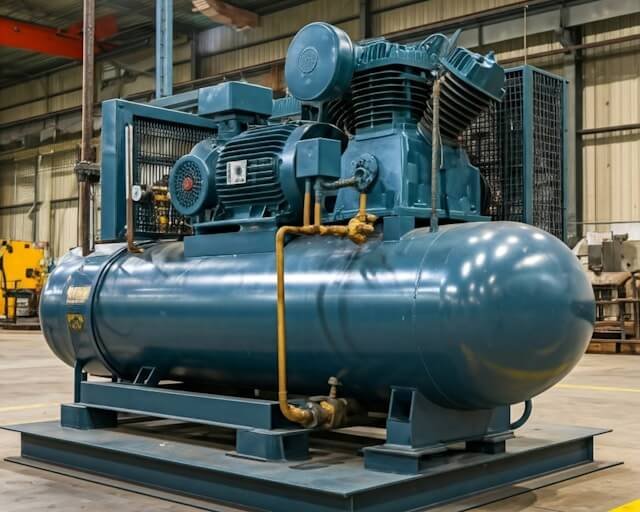

Air compressors are a vital part of many commercial and industrial environments. From manufacturing plants and engineering workshops to garages, warehouses, and production facilities, compressed air helps power tools, equipment, and essential processes. When a compressor runs smoothly, it supports productivity and keeps operations moving. When it fails, the result can be costly downtime, reduced efficiency, and avoidable disruption.
Regular maintenance is one of the most effective ways to protect compressed air equipment. Professional air compressor servicing helps businesses identify problems early, improve performance, reduce energy waste, and extend the lifespan of their system.
The Importance of Servicing Air Compressors
An air compressor works hard, often for long hours and in demanding conditions. Over time, components can wear, filters can become blocked, oil can degrade, and leaks may develop. Without routine servicing, these issues can build up and place unnecessary strain on the system.
Servicing helps keep the compressor operating safely and efficiently. It also gives engineers the chance to inspect key parts, check performance levels, and recommend repairs before small problems become major faults.
For businesses that rely on compressed air every day, servicing is not just a maintenance task. It is an important part of protecting productivity.
How Servicing Helps Prevent Breakdowns
Unexpected breakdowns can be expensive. They may stop production, delay jobs, affect customer deadlines, and require urgent repairs. Many compressor failures are caused by issues that could have been found during a routine service.
For example, a worn belt, dirty filter, leaking seal, or low oil level may seem minor at first. If ignored, these faults can lead to overheating, pressure loss, motor strain, or complete system failure.
Regular servicing helps reduce this risk by keeping the compressor in good working order and addressing problems before they escalate.
Improving Energy Efficiency
Compressed air systems can use a significant amount of energy, so efficiency matters. A poorly maintained compressor may need to work harder to produce the same output. This can increase electricity usage and raise operating costs.
Servicing can improve efficiency by checking for air leaks, replacing clogged filters, inspecting pressure settings, and ensuring the system is running as intended. Even small improvements can make a difference over time, especially for businesses that use compressed air throughout the working day.
An efficient compressor is not only better for running costs, but also supports wider sustainability goals.
What Is Usually Included in an Air Compressor Service?
The exact service process can vary depending on the compressor type, age, usage, and manufacturer requirements. However, a professional service will usually include a detailed inspection of the main components and overall system condition.
Filter Checks and Replacements
Filters help protect the compressor and maintain air quality. Over time, they can become blocked with dust, dirt, and contaminants. Replacing filters as needed helps maintain airflow and reduces strain on the system.
Oil and Lubrication Checks
Oil-lubricated compressors need the correct oil level and quality to operate properly. During servicing, engineers can check lubrication, top up or replace oil, and inspect for signs of contamination or leaks.
Belt, Seal, and Hose Inspections
Belts, seals, and hoses can wear with regular use. Servicing helps identify cracks, leaks, looseness, or deterioration before these parts fail.
Pressure and Performance Testing
Engineers can check whether the compressor is reaching and maintaining the correct pressure. This helps identify issues such as leaks, valve faults, or pressure control problems.
Safety Checks
Servicing also supports workplace safety. Engineers can inspect key safety features, check for overheating risks, and ensure the equipment is operating within safe limits.
How Often Should an Air Compressor Be Serviced?
Service frequency depends on several factors, including how often the compressor is used, the working environment, and the type of system installed. A compressor used daily in a busy industrial setting will usually need more frequent servicing than one used occasionally in a small workshop.
Dusty, hot, or high-demand environments may also increase servicing needs. Following manufacturer guidance is important, but businesses should also consider real-world usage. If a compressor is central to operations, a planned service schedule can help avoid unnecessary risk.
Signs Your Compressor May Need Servicing
Even if a scheduled service is not due, certain signs suggest that the compressor should be checked.
Reduced Air Pressure
If tools are not performing properly or the system struggles to maintain pressure, servicing may be needed to identify leaks, blockages, or worn parts.
Unusual Noises
Grinding, rattling, knocking, or louder-than-usual operation can indicate mechanical wear or loose components.
Overheating
A compressor that runs too hot may have ventilation issues, blocked filters, low oil levels, or internal faults.
Higher Energy Bills
If energy costs increase without a clear reason, the compressor may be running inefficiently and should be inspected.
More Frequent Downtime
If the system is stopping more often or needing repeated repairs, servicing can help identify the underlying cause.
The Value of Planned Maintenance
Planned maintenance gives businesses greater control over their compressed air system. Instead of waiting for faults to happen, servicing can be scheduled at suitable times to reduce disruption.
This approach can help improve reliability, support budgeting, and keep equipment performing consistently. It also creates a service history, which can be useful when assessing equipment condition, planning upgrades, or meeting workplace compliance requirements.
Why Professional Servicing Matters
Air compressors are complex systems, and servicing should be carried out by trained specialists. Professional engineers have the knowledge to inspect equipment properly, identify early signs of wear, and ensure the compressor is safe to use.
They can also advise on efficiency improvements, replacement parts, repair needs, and whether the current system is still suitable for the business. This expert support can help companies make better long-term decisions about their compressed air equipment.
FAQ
How often should I arrange air compressor servicing?
The best schedule depends on usage, compressor type, and working conditions. Heavily used compressors may need more frequent servicing, while lightly used systems may require less regular maintenance.
What happens if an air compressor is not serviced?
Without servicing, filters can block, parts can wear, leaks may develop, and efficiency can fall. This increases the risk of breakdowns, higher energy costs, and reduced equipment lifespan.
Can servicing reduce energy costs?
Yes. Servicing can help improve efficiency by identifying leaks, replacing blocked filters, checking pressure settings, and ensuring the system is not working harder than necessary.
Is servicing needed if the compressor seems to be working?
Yes. Many faults develop gradually before they become obvious. Routine servicing can identify early issues before they cause downtime or expensive repairs.
Does servicing extend the life of an air compressor?
Regular servicing can help extend equipment lifespan by reducing strain, protecting components, and keeping the system operating correctly.
Conclusion
Air compressor servicing is essential for businesses that depend on reliable compressed air. Regular maintenance helps prevent breakdowns, improve efficiency, reduce safety risks, and protect valuable equipment from unnecessary wear.
By investing in professional servicing, businesses can keep their compressed air systems running smoothly, reduce unexpected downtime, and support long-term operational performance. For any company that relies on compressed air, planned servicing is a practical and cost-effective way to protect productivity.