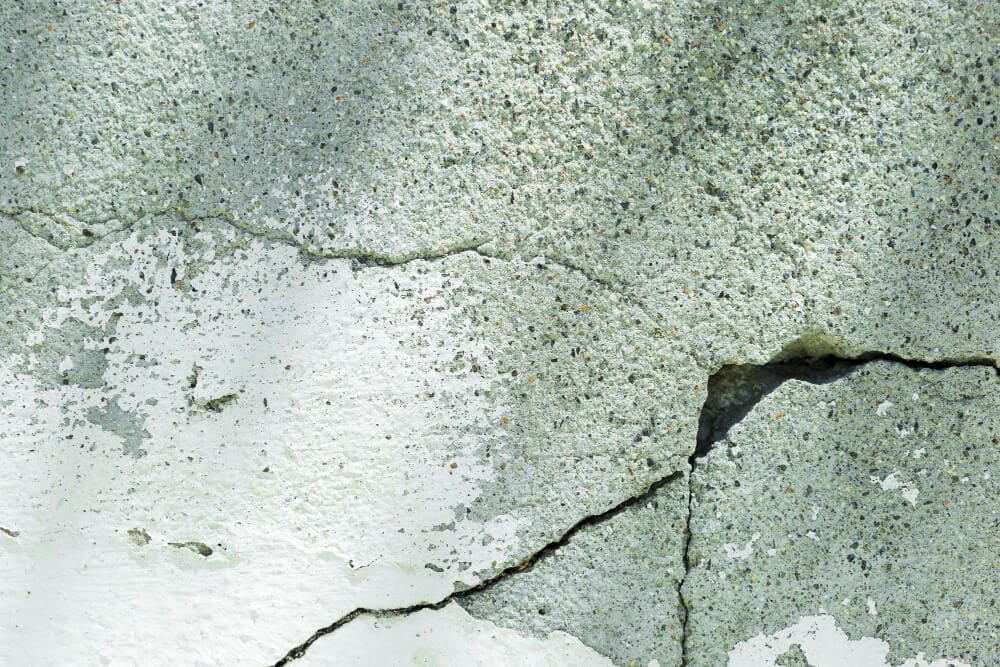

Industrial work floors take a heavy beating every single day from heavy machinery and constant foot traffic. Small imperfections in the surface can quickly turn into major safety hazards if they are ignored. Cracks in concrete are not just ugly cosmetic flaws, they are structural problems that threaten the well-being of every worker in the building.
Fixing these issues quickly keeps operations running smoothly and prevents costly workplace accidents. Taking a proactive approach to floor maintenance preserves the building structure and creates a much more secure environment for your entire team.
Recognizing the Immediate Dangers of Damaged Concrete
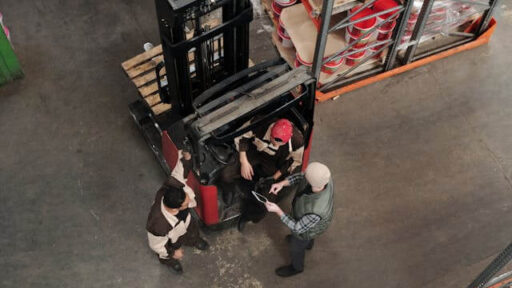
A broken floor surface directly impacts daily operations and warehouse safety. Smooth movement is required for moving goods safely across the facility floor. When deep cracks develop, they disrupt the balance of heavy moving vehicles and cause sudden jolts.
The floor has to handle forklifts, pallet jacks, rack loads, daily traffic patterns, cleaning, moisture, and federal safety guidelines. Standard workplace safety regulations mandate safe, maintained, hazard-free surfaces capable of supporting intended loads. Ignoring these guidelines can lead to steep penalties during unexpected inspections.
The Financial Impact of Slips and Falls
Ignoring floor repairs can cost a company a massive amount of money in legal fees and medical expenses. Uneven surfaces are the primary cause of sudden trips and stumbles in an industrial setting.
A major industry safety study discovered that same-level slips, trips, and falls cost employers $13.5 billion in workers’ compensation costs. These expenses drain company resources and damage your reputation as a safe employer. Investing in proper concrete repair equipment will protect your bottom line from these massive liability expenses. A swift repair protocol keeps your workforce active and eliminates the financial strain of long-term injury claims.
Preparing the Surface for Long Lasting Patches
A repair job is only as good as the preparation work done beforehand. Putting new compound over a dirty, crumbling crack guarantees the fix will fail within weeks. Workers must clear out all loose debris, dust, and old sealant from the damaged area before mixing any chemicals.
- Remove loose debris and broken concrete chunks from inside the crack.
- Clean the surrounding area thoroughly to remove oil, grease, and industrial grime.
- Use a wire brush or mechanical grinder to create a rough texture for better bonding.
- Vacuum away all remaining fine dust particles to ensure a completely clean surface.
Using mechanical tools to widen the crack slightly helps the new material bond deeply with the old concrete. This step ensures the patching compound sticks perfectly to the inner walls of the gap. Skipping the cleanup process means the new compound will bond to loose dust instead of the solid floor.
Protecting Workers During the Grinding Process
Prepping concrete generates a massive amount of airborne particles that endanger everyone in the immediate area. Silica dust is a hidden hazard that requires strict safety protocols during the mechanical grinding phase.
Breathing in this fine dust from cutting, grinding, or drilling poses serious health risks like silicosis, a potentially fatal lung disease. Heavy duty vacuums must attach directly to your grinding tools to catch dust at the source. Workers must wear proper respiratory protection even when advanced dust collection systems are running. Keeping the air clean protects your crew from chronic respiratory issues and maintains compliance with air quality laws.
Selecting the Right Chemical Repair Compounds
Different types of cracks require specific chemical solutions to achieve a permanent fix. Using the wrong material can result in a brittle patch that cracks again under heavy forklift traffic.
Polyurethane Fillers for High Speed Fixes
Liquid polyurethane compounds flow deeply into narrow cracks to seal them from moisture and dirt. These materials cure rapidly, which allows vehicles to drive over the repaired area in a short amount of time. They remain slightly flexible after curing, which prevents the patch from snapping during temperature shifts.
Choosing Between In House Teams and Professional Contractors
Small surface cracks can easily be handled by a trained internal maintenance crew using standard patch kits. Having a few team members trained in basic floor repair allows you to fix small cracks before they expand into giant craters.
- Small cracks under 1/4 inch wide can usually be repaired by internal maintenance staff.
- Deep structural cracks that span multiple floor slabs require professional assessment.
- Large scale leveling projects demand heavy industrial grinding machinery.
- Advanced chemical applications require specialized ventilation and mixing tools.
Large spalls and deep joint failures often require specialized tools and expert knowledge. Hiring a professional contractor ensures that large scale repairs are done correctly the first time. Professionals use advanced shot blasting machinery and industrial mixers to apply heavy duty structural fills quickly.
Maintaining smooth facility floors requires constant vigilance and quick action when damage appears. Addressing small cracks immediately prevents them from turning into massive trip hazards that disrupt your daily workflow. Keeping your walking surfaces pristine protects your employees from injury and keeps your machinery operating at peak efficiency. Dedicated attention to floor quality ensures your business remains a safe and productive environment for years to come.