
A new property can look spotless on opening day and still be heading toward an expensive repair.
It starts small. A blocked drain. A loose seal around a window. A filter that should have been replaced three months ago. Nothing dramatic. Nothing that seems urgent.
Then the rain arrives.
Water gets behind the wall, the flooring starts to lift, and a minor maintenance job turns into a repair involving plaster, insulation, electrical checks, and tenant complaints. Suddenly, that “small issue” has a very different price tag.
Preventive maintenance belongs in every property development budget because buildings start wearing down the moment they’re completed. That’s not pessimism. It’s simply how buildings work.
Small Faults Have Expensive Habits
Most serious property problems don’t begin as emergencies.
A dripping pipe may seem harmless. Leave it long enough, though, and it can damage cabinetry, flooring, walls, and nearby electrical fittings. A hairline crack in an exterior surface can let moisture into places where it’s difficult to detect. A neglected gutter can send water exactly where it shouldn’t go.
Small faults are sneaky like that.
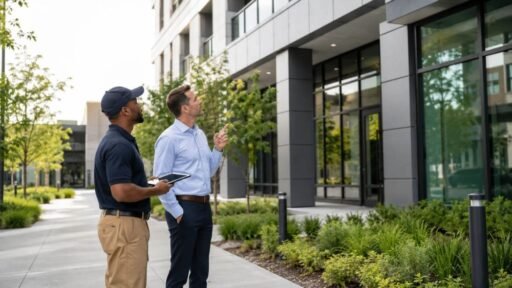
Regular inspections create a chance to catch these problems while they’re still cheap and manageable. That means checking roofs, drainage, façades, plumbing, ventilation systems, doors, lifts, fire equipment, and other high-use areas on a clear schedule.
It isn’t glamorous work. No one cuts a ribbon for a clean drain or a serviced air-conditioning unit. Still, those routine jobs often save far more money than they cost.
Maintenance Protects the Money Already Spent
Property development requires a serious investment in materials, labor, design, fixtures, finishes, and building systems. Protecting that investment shouldn’t stop at practical completion.
Take commercial flooring. Grit, moisture, spills, and heavy foot traffic can wear down the finish faster than expected. The damage happens gradually, so it’s easy to miss until the surface looks tired or begins to lift at the edges.
Cleaning plays a bigger role here than many budgets allow for. In a busy area such as Richmond, where offices, shops, and mixed-use properties can see steady daily traffic, experienced commercial cleaning contractors Richmond can help protect surfaces, reduce buildup, and spot early signs of wear in common areas.
That doesn’t mean cleaning replaces maintenance. It doesn’t. But clean surfaces make damage easier to see, and well-kept finishes usually last longer than neglected ones.
The Budget Should Reflect the Actual Building
A maintenance allowance shouldn’t be copied from another project and dropped into a spreadsheet.
Every building has its own needs.
A glass-heavy office block will require different upkeep from a low-rise brick property. A development with lifts, landscaped areas, basement parking, shared kitchens, and high-traffic lobbies will carry more ongoing responsibilities than a basic warehouse.
The layout matters too. Can contractors reach service areas easily? Are plant rooms accessible? Is there enough storage for cleaning equipment? Can windows be cleaned without expensive access machinery?
These questions may feel overly practical during the design stage. They’re not. Poor access can turn a simple task into a costly one, year after year.
Maintenance Planning Supports Stronger Finance Decisions
Construction costs usually receive the most attention during early budgeting. Fair enough. They’re large, visible, and immediate.
Operating costs are easier to underestimate.
When assessing investment opportunities, developers and investors need to know whether the completed asset can operate reliably, attract tenants, and manage ongoing expenses without weakening cash flow. A realistic maintenance plan helps show that the numbers extend beyond the build itself.
Lenders and investors don’t just care about whether a property can be completed. They also care about what happens after the doors open.
Will systems receive regular servicing? Has money been allowed for repairs? Are replacement cycles understood? Can the property handle an unexpected fault without throwing the entire budget off course?
A vague maintenance figure won’t answer those questions. A detailed schedule will.
Tenants Notice More Than Owners Expect
Tenants notice flickering lights.
They notice stained carpets, slow lifts, unpleasant smells, leaking taps, damaged doors, noisy ventilation, and air-conditioning that seems to give up whenever the weather gets hot.
These issues may look minor in isolation. Together, they shape the daily experience of the building.
A well-maintained property feels safer, cleaner, and more professionally managed. That matters when lease renewal time arrives. Tenants are far less likely to stay in a building where maintenance requests disappear into a black hole.
Vacancy costs money. So do incentives, marketing, refurbishment work, and the time required to secure a replacement tenant. Preventive maintenance can’t guarantee retention, but it removes many of the avoidable frustrations that push tenants away.
Sometimes the simplest win is just making sure everything works.
Equipment Lasts Longer When It Gets Attention
Mechanical systems rarely fail without warning.
HVAC units become less efficient. Pumps start making unusual noises. Lift doors move more slowly. Filters clog. Seals wear out. Small warning signs appear, but only if someone is looking for them.
Scheduled servicing helps extend equipment life and reduces the chance of a sudden breakdown. It also makes costs easier to predict.
Consider an air-conditioning failure during a heatwave. The owner may face urgent callout fees, temporary cooling equipment, tenant complaints, after-hours labor, and possibly compensation. That’s a lot of trouble for a service that could have been scheduled weeks earlier.
Friday afternoon breakdowns have excellent timing. For the repair company, at least.
Exterior Care Prevents Interior Problems
A building’s exterior takes constant punishment from rain, wind, sun, pollution, and temperature changes.
Cracked sealants, loose cladding, blocked gutters, damaged coatings, and corrosion aren’t just cosmetic flaws. They can let water into the structure, create safety risks, and lead to expensive remedial work.
Regular façade inspections help identify deterioration before it spreads. This matters even more for taller properties, where access costs can make repairs much more expensive.
The longer a problem travels, the more it costs to follow.
Pest Prevention Is Maintenance Too
Pest problems often begin with building defects or poor upkeep.
Gaps around pipes, leaking taps, damaged vents, cluttered storage areas, badly managed waste, and overgrown landscaping can all create ideal conditions for insects and rodents.
Once inside, pests can damage wiring, insulation, stored materials, wall cavities, and flooring. They can also cause serious reputational problems for hospitality, retail, office, and residential properties.
Regular inspections, cleaning, sealing, and prompt repairs reduce the risk. Waiting until tenants report scratching sounds in the ceiling is not a strategy.
Planned Maintenance Creates Financial Control
The real value of preventive maintenance is control.
When inspection dates, service schedules, contractor costs, and replacement cycles are documented, property owners can forecast expenses more accurately. They can build reserves, compare supplier performance, and decide when repair still makes sense or replacement has become the better option.
Without that structure, costs arrive randomly.
One month looks profitable. The next gets hit by an emergency repair, a replacement unit, and a contractor invoice no one expected. That kind of volatility makes property performance harder to judge and harder to manage.
A building will always need money after completion. The only real choice is whether those costs arrive as planned expenses or unpleasant surprises.