
For decades, energy was something many businesses bought, used, and paid for. Electricity arrived through the grid, the monthly bill became another operating expense, and conversations about power rarely reached far beyond facilities or finance teams.
That relationship is changing.
Energy costs, extreme weather, grid disruption, growing electricity demand and corporate sustainability targets are encouraging businesses to think more carefully about where their power comes from. At the same time, solar generation, battery storage and energy-management technologies are giving organizations more options for producing and controlling electricity themselves.
Energy independence does not necessarily mean disconnecting from the grid entirely. For most businesses, it is about reducing dependence on a single source of electricity and gaining greater control over an increasingly important operational resource.
Energy Is Becoming a Business Risk
Electricity is fundamental to almost every modern organization.
A manufacturer may depend on machinery and automated production lines. A retailer needs lighting, refrigeration, payment systems and security equipment. Offices rely on computers, servers, communications and climate control. Warehouses increasingly use automated equipment, while companies with electric vehicle fleets introduce another significant source of demand.
When electricity becomes unavailable, the consequences can spread quickly.
Even relatively short interruptions can result in lost working time, delayed orders, disrupted customer service, or damaged stock. Longer outages can become considerably more expensive.
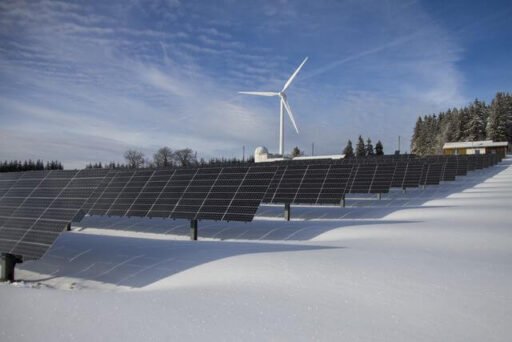
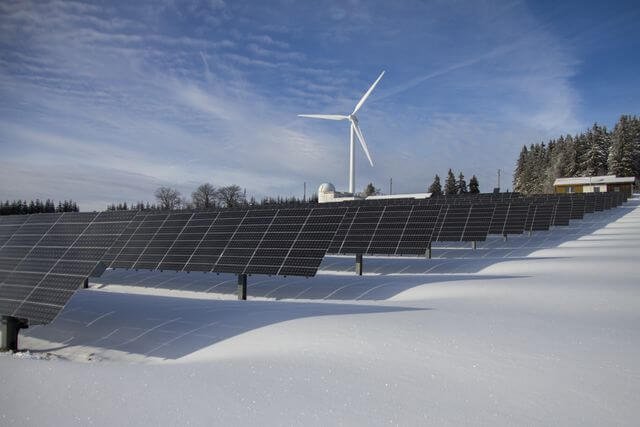
This is one reason businesses are beginning to consider energy resilience alongside traditional areas of risk management. Organizations exploring on-site generation may, for example, investigate complete solar systems from Build the Power as part of wider research into reducing reliance on externally supplied electricity.
The objective is not simply to generate power. It is to understand how greater control over energy could protect the organization when external conditions become less predictable.
Growth Is Increasing the Importance of Energy Planning
Energy independence is also becoming relevant because businesses themselves are becoming more electricity-intensive.
Electric vehicles need charging. Warehouses are adopting more automation. Offices contain increasing numbers of connected devices. Manufacturers continue to invest in electrically powered technology, while heating and cooling can place substantial demands on commercial buildings.
A business that expands without considering its future energy requirements could eventually find that electricity becomes a constraint rather than simply another utility.
This makes long-term planning valuable.
What happens if the workforce doubles? Could an electric vehicle fleet be introduced? Will new machinery increase peak demand? Is the company likely to occupy the building for another 10 or 20 years?
Businesses can also consider how different technologies might work together. Solar generation can provide electricity during suitable daylight conditions, while battery storage can potentially make some of that energy available later. Monitoring systems can provide a clearer picture of where and when electricity is being consumed.
The right approach depends heavily on the organization. A warehouse with a large roof and substantial daytime electricity demand has a very different energy profile from a small office occupied five days a week.
Questions about future operations can therefore help organizations design energy infrastructure around where the business is going rather than where it is today.
Independence Does Not Have to Mean Isolation
Perhaps the biggest misconception is that energy independence requires a business to become completely self-sufficient.
In practice, the more useful goal is often energy flexibility.
A company might remain connected to the grid while generating part of its own electricity. It might use batteries to manage stored energy, introduce smarter monitoring to understand consumption, or maintain appropriate backup systems for critical operations.
Each additional option can reduce the extent to which the organization depends on one route to obtaining power.
There may be financial benefits too. Greater visibility over consumption can help companies identify waste, while on-site generation may reduce the amount of electricity that needs to be purchased from external suppliers. The precise economics will depend on factors including installation costs, electricity usage, system performance and the length of time the business expects to occupy the site.