
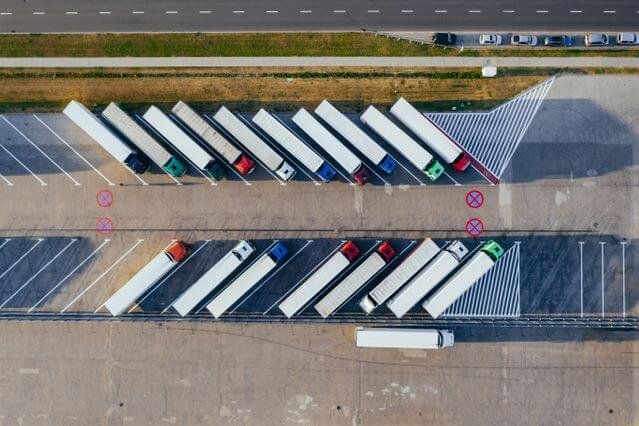

For many businesses, vehicles are more than a way to get from one place to another. They help products reach customers, allow teams to serve clients, support sales activity, and keep daily operations moving. Because of this, fleet planning should not be treated as a last-minute admin task. A well-managed fleet can reduce costs, improve reliability, and give a business more control over how it grows.
Start With Your Business Needs
The first step in fleet planning is understanding what your business actually needs from its vehicles. A small service company may need vans for technicians, while a sales team may require fuel-efficient cars for regular travel. A delivery business may need vehicles with specific storage capacity, while a construction company may require trucks that can handle tools, equipment, and rougher conditions.
Think about the number of vehicles required, how often they will be used, who will drive them, and what kind of routes they will cover. Planning around real usage helps avoid overspending on vehicles that are too large, too expensive, or unnecessary.
Consider Total Ownership Costs
The purchase price is only one part of the equation. Business owners also need to consider fuel, insurance, servicing, repairs, taxes, depreciation, parking, and driver training. A cheaper vehicle may cost more over time if it is inefficient or needs frequent maintenance.
It is useful to compare vehicles based on total cost of ownership rather than upfront cost alone. This gives a clearer picture of what each vehicle will mean for your budget over several years.
Plan for Growth and Change
A good fleet plan should support the business you have now, but it should also leave room for the business you are building. If you expect to expand into new locations, increase deliveries, hire more field staff, or take on larger contracts, your fleet strategy should reflect that.
Relocation and expansion can also affect vehicle logistics. For example, a company opening a new site in Illinois may need to compare options for Chicago car shipping rather than having employees drive vehicles long distances. Factoring this into planning can save time and reduce disruption.
Set Maintenance Schedules
Preventive maintenance is one of the simplest ways to protect a fleet. Regular oil changes, tire checks, brake inspections, and scheduled servicing can reduce the risk of breakdowns and extend vehicle life.
Business owners should create a clear maintenance calendar and assign responsibility for tracking it. This could be handled by an operations manager, fleet manager, or digital fleet management system, depending on the size of the business.
Track Usage and Performance
Fleet planning does not stop once the vehicles are on the road. Monitoring mileage, fuel use, repair costs, driver behavior, and downtime can highlight problems early. If one vehicle is costing significantly more to run than the others, it may be time to replace it.
Data can also help businesses decide whether to buy, lease, downsize, or add vehicles in the future.
Build Policies for Drivers
Clear driver policies help protect both the business and its employees. These should cover vehicle use, reporting damage, fuel cards, maintenance checks, safe driving expectations, and what happens in the event of an accident.
When everyone understands the rules, vehicles are more likely to be used responsibly and consistently.
Review the Fleet Regularly
Fleet needs can change quickly as a business grows. Reviewing your fleet at least once or twice a year helps ensure vehicles are still fit for purpose, cost-effective, and aligned with business goals.
With thoughtful planning, a fleet can become more than an operational expense. It can be a reliable business asset that supports productivity, customer service, and long-term growth.