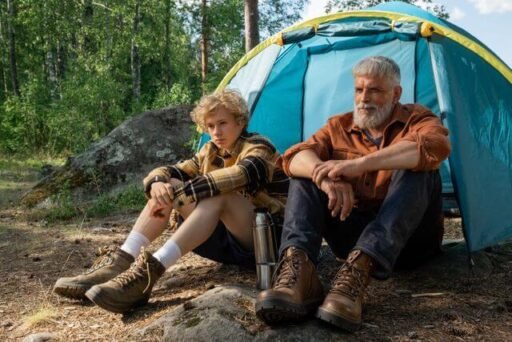
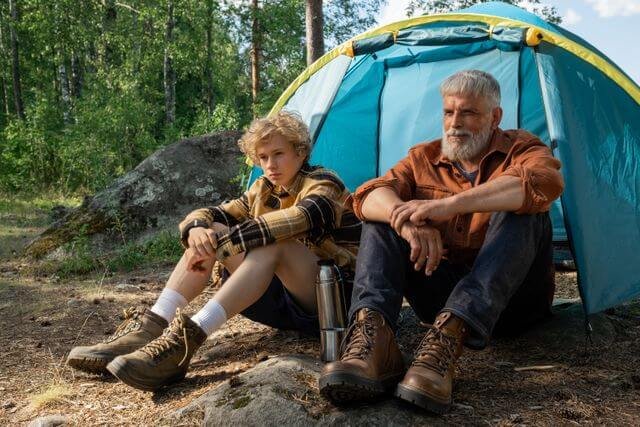

Getting three generations to agree on anything is an achievement in itself. Getting them all into the same campsite for several days, genuinely enjoying each other’s company, requires planning that actually accounts for how different their needs are. A multi-generational camping trip done well is one of those experiences that families talk about for years. Done poorly, it’s a cautionary tale about whose idea it was and why it wasn’t repeated. The difference usually comes down to how much thought went in before anyone packed a bag.
Getting the Vehicles and Cover Right First
The logistics of a multi-generational trip start with how you’re getting there and what you’re driving. If the plan involves anything beyond a sealed road, and honestly the best campsites usually do, then the towing capacity, ground clearance, and overall capability of every vehicle in the convoy matters. One family arriving at the campsite in a capable four-wheel drive while grandparents attempt a gravel descent in a sedan is not a recipe for a relaxing start.
It’s also worth getting the insurance sorted properly before you leave. Standard comprehensive car insurance covers a lot, but off-road conditions and remote locations are where policy exclusions tend to surface. Club 4X4 Australia specialises in insurance built specifically for four-wheel drive vehicles and the conditions they actually operate in: dirt roads, creek crossings, remote access, and the kind of terrain where a recovery becomes a real possibility rather than a theoretical one. Having that sorted for every vehicle in your group means the trip starts with the right foundation rather than a gap in cover you didn’t notice until it mattered.
Choosing a Destination That Works for Everyone
This is where multi-generational planning differs most from planning a trip for a single group of adults. The destination needs to offer enough variety that a ten-year-old, a couple in their forties, and grandparents in their seventies can all find something that works for them without everyone having to compromise on everything.
Look for locations with a mix of easy and more challenging terrain nearby. A campsite with flat, well-maintained ground for those who need easier access, access to a beach or lake that different generations can enjoy at different intensities, and enough space that the group can spread out. Proximity to a small town is worth factoring in too, not because everyone needs a cafe on hand, but because it gives older family members options if the camp activities are beyond what they want to manage and reduces the logistics of any medical or supply needs that come up.
National parks with drive-in campgrounds are often ideal for this reason. They handle a lot of the access challenge while still offering genuine natural immersion, which is the whole point.
Planning Around Different Energy Levels
The mistake most people make is building the itinerary around the most capable people in the group and hoping everyone else keeps up. A better approach is to build a loose structure that has a morning option, an afternoon option, and an evening option for each day, with each one designed so that different family members can self-select without anyone feeling left behind.
Mornings might mean a serious hike for the adults and a shorter nature walk for kids and older grandparents. Afternoons might be unstructured time at the campsite where everyone does their own thing. Evenings are where the group comes back together: camp cooking, cards, storytelling. As ReadMyBusiness has noted in its coverage of outdoor lifestyle and adventure, the best shared outdoor experiences happen when the structure is loose enough to accommodate how people actually feel on the day rather than locked into a plan that was made before anyone knew what the weather or everyone’s energy would be doing.
Gear That Makes It Comfortable for All Ages
Comfort thresholds change with age in ways that are worth taking seriously rather than pushing through. A teenager can sleep on the ground without much complaint. Grandparents generally cannot. Investing in a quality camp stretcher or self-inflating sleeping mat for older family members is a small cost that pays enormous dividends in mood and energy the following morning.
The same logic applies to camp chairs, lighting, and access to the camp toilet if there is one. These details feel minor until someone has a bad night because the gear wasn’t right, and then they become the reason the next trip gets declined.
The Conversations That Happen Around the Fire
One of the underrated values of multi-generational camping is what it does to family communication. Removed from the usual routines and screens, with nowhere particularly important to be and a fire to sit around, conversations happen that simply don’t occur at home. Grandparents tell stories they haven’t told in years. Kids ask questions they wouldn’t think to ask at a dinner table. The setting creates a kind of intimacy that structured family events rarely produce.
For more ideas on making the most of outdoor lifestyle experiences as a family, ReadMyBusiness has covered the broader shift toward adventure and nature-based family time in ways that apply directly to this kind of trip. The investment in planning a multi-generational camping adventure properly is genuinely returned in the quality of what happens when you’re actually there.