
Modern professionals are facing an epidemic of burnout. Between back-to-back meetings, project deadlines, and an endless stream of digital notifications, the modern workweek demands constant mental output. Many people find themselves entirely drained by Friday afternoon due to the sheer volume of decisions required on a daily basis. As experts point out when discussing strategies for automating low-stakes choices, guarding your mental resources is vital to acting as a shield against daily fatigue. It is no surprise that a growing number of Australians are looking for a complete reset on the weekends. Instead of staying glued to screens, they are swapping the office chair for the steering wheel and embracing the overlanding lifestyle to properly disconnect and recharge.
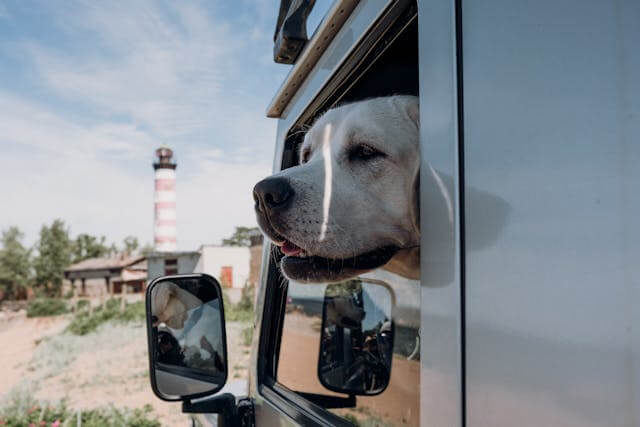
Heading out into the bush or exploring remote coastal tracks offers a profound sense of freedom. There is something deeply restorative about setting up camp far away from cellular reception and city traffic. For many of us, that experience is only complete when our four-legged best friends are sitting right there beside us, ready to explore the trails. However, travelling off the beaten path with a dog requires far more preparation than a quick trip to the local dog park.
Finding the Right Setup for Your Vehicle
To mitigate the risks of rough trails and ensure everyone has a safe trip, you need a robust restraint solution tailored to the rugged Australian environment. Flimsy wire crates or standard seatbelt harnesses often fall short when subjected to the harsh vibrations and unpredictable movements of true four-wheel-drive tracks. If you drive a utility vehicle, investing in a custom heavy-duty dog cage for a ute is one of the most effective ways to keep your companion secure.
These specialised enclosures provide a highly ventilated, structurally sound space that protects your pet from shifting camping gear and the harsh sun, all while keeping them anchored during sudden stops. A proper enclosure also gives your dog a dedicated, secure den where they can rest peacefully after a long day of hiking.
Understanding the Risks of Unrestrained Pets
When you are navigating corrugated dirt roads, steep inclines, or sudden washouts in the outback, the dynamics inside your vehicle change dramatically. A sudden stop, an unexpected wildlife crossing, or a hidden ditch can occur at any moment. Because of this unpredictability, securing your pet is not just a matter of comfort but a critical safety requirement. According to the RSPCA, an unrestrained dog can become a dangerous projectile during a collision or heavy braking, significantly increasing the risk of severe injury to the animal, the driver, and other passengers.
The outback is unforgiving, and a simple lapse in securing your pet can turn a minor bump on the trail into an emergency situation. Proper restraint systems ensure that your dog stays safely in one place, preventing them from interfering with the driver or being thrown around the cabin when the terrain gets rough.
Essential Checklist for Overlanding with Dogs
Beyond a secure travel enclosure, bringing your dog into remote areas means packing specifically for their unique needs. Regional locations lack immediate veterinary care and reliable water sources, so self-sufficiency is key to a stress-free trip.
Here are a few essential items to include in your overland canine kit:
- Abundant Water Supply: Dogs cannot regulate their body temperature as efficiently as humans, especially in the sweltering Australian heat. Bring at least double the amount of water you think your dog will need, along with a spill-proof travel bowl.
- Canine First Aid Kit: Pack tweezers for tick removal, antiseptic wipes, heavy-duty bandages, and a saline solution to wash out dust, sand, or debris from their eyes.
- Comfortable Bedding: The floor of a vehicle or tray can become intensely hot or cold depending on the weather. Use thick, high-density foam mats inside their travel enclosure to absorb shock from bumpy roads and provide thermal insulation.
- Updated Identification: Ensure your dog’s microchip details are current and their collar has a clear tag with your mobile number. Since cell service is famously patchy in remote areas, consider adding an offline GPS tracker to their collar for extra peace of mind.
Additionally, always be mindful of local wildlife and baiting programs. Many national parks and remote pastoral stations use baits to control feral animal populations, which can be fatal to domestic dogs. Always research your route ahead of time and keep your dog on a sturdy lead when exploring unfamiliar rest stops.
Escaping the daily grind to explore the great outdoors is a powerful way to reset your mind and bond with your pet. When you remove the stress of the city and immerse yourself in nature, both you and your dog reap the physical and mental benefits. By prioritising their safety through secure transport solutions and careful packing, you can enjoy the overlanding lifestyle without unnecessary anxiety. When you know your best friend is safe, comfortable, and well-equipped in the back, you are entirely free to focus on the journey ahead and fully embrace the adventure.