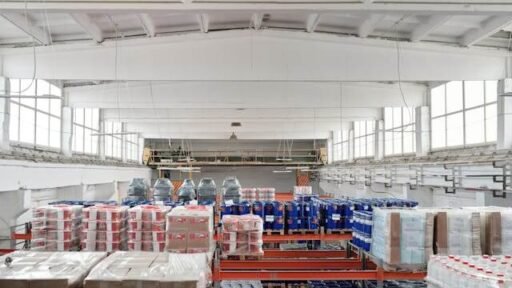


In today’s supply chain environment, speed and reliability are essential for business success. Customers expect faster deliveries, inventory levels must remain accurate, and logistics operations are under constant pressure to perform efficiently. Yet many delays occur not because of transportation issues, but because of poor coordination within warehouse operations.
Warehouses serve as critical hubs connecting inventory, freight movement, order fulfillment, and transportation networks. When communication breaks down or workflows become disconnected, delays can quickly spread throughout the supply chain.
Organizations are increasingly focusing on warehouse coordination strategies that improve visibility, streamline workflows, and strengthen collaboration between teams. Businesses implementing enterprise warehouse management software are reducing operational bottlenecks while improving overall logistics performance.
Efficient logistics begins with efficient warehouse coordination.
Why Warehouse Coordination Matters
Warehouse operations influence nearly every stage of the logistics process. From receiving inventory and storing products to preparing shipments and coordinating outbound freight, warehouses play a central role in supply chain performance.
When departments operate in isolation, delays often occur due to:
- Poor communication between teams
- Inaccurate inventory information
- Slow shipment preparation
- Inefficient labor allocation
- Lack of real-time visibility
- Uncoordinated transportation scheduling
Even minor operational issues can create significant disruptions downstream.
Common Causes of Logistics Delays
Many logistics delays originate inside warehouse operations rather than during transportation.
Without proper coordination, businesses often encounter challenges such as:
| Coordination Challenge | Operational Impact |
| Inventory discrepancies | Delayed order fulfillment |
| Manual workflow management | Slower processing times |
| Poor communication | Shipment scheduling issues |
| Limited operational visibility | Reactive decision-making |
| Disconnected systems | Increased operational errors |
These issues can reduce productivity while affecting customer satisfaction and overall supply chain performance.
Real-Time Visibility Improves Coordination
One of the most effective ways to reduce delays is by improving visibility across warehouse operations.
Modern warehouse systems provide real-time access to information such as:
- Inventory levels
- Order status
- Shipment schedules
- Workforce activity
- Receiving and shipping progress
This visibility allows teams to identify bottlenecks early and make adjustments before delays affect downstream operations.
Organizations that maintain real-time operational oversight can respond faster to disruptions and improve overall workflow efficiency.
Visibility creates alignment. Alignment creates efficiency.
Better Inventory Management Reduces Fulfillment Delays
Inventory accuracy is essential for maintaining efficient logistics operations.
When stock information is inaccurate or outdated, warehouse teams may spend valuable time searching for products, correcting inventory records, or adjusting fulfillment schedules.
Warehouse management systems improve inventory control through automated tracking and real-time updates.
Benefits include:
- Faster product location identification
- Reduced stock discrepancies
- Improved order accuracy
- Better replenishment planning
- More reliable fulfillment timelines
Accurate inventory information helps prevent delays before orders even reach the shipping stage.
Stronger Communication Improves Workflow Efficiency
Effective warehouse coordination depends on clear communication between receiving, inventory management, fulfillment, and shipping teams.
When information is delayed or fragmented, workflows become less efficient and errors become more common.
Centralized systems help improve communication by providing shared access to operational data and shipment information.
This allows departments to coordinate more effectively while reducing misunderstandings that can slow warehouse operations.
Improved communication also strengthens collaboration with external logistics partners and transportation providers.
Freight Coordination Plays a Critical Role
Warehouse operations and freight management are closely connected.
Delays in receiving shipments or preparing outbound freight can affect inventory availability, delivery schedules, and customer commitments.
Businesses using integrated freight management software can improve coordination between warehouse teams and transportation providers by providing greater shipment visibility and scheduling accuracy.
This integration supports:
- Better inbound freight planning
- Faster outbound shipment processing
- Improved carrier communication
- Reduced transportation delays
- Greater supply chain transparency
Coordinated freight operations help ensure products move efficiently through every stage of the logistics process.
Labor Optimization Supports Faster Operations
Labor efficiency is another important component of warehouse coordination.
Without clear workflows and task prioritization, employees may spend unnecessary time searching for inventory, waiting for information, or duplicating work.
Warehouse management software helps optimize labor allocation by providing real-time visibility into workloads and operational priorities.
Organizations can improve:
- Picking efficiency
- Receiving performance
- Packing accuracy
- Shipping speed
- Workforce productivity
Better workforce coordination helps warehouses process orders more efficiently while reducing operational delays.
Data Analytics Help Identify Bottlenecks
Modern warehouse systems generate valuable operational insights that support continuous improvement.
Managers can monitor key performance indicators such as:
| Key Metric | Operational Benefit |
| Order processing time | Faster fulfillment |
| Inventory accuracy | Reduced disruptions |
| Shipment preparation speed | Improved delivery timelines |
| Labor productivity | Better resource allocation |
| Freight turnaround time | Stronger logistics performance |
Analyzing these metrics helps organizations identify recurring bottlenecks and implement targeted improvements.
Building a More Connected Supply Chain
Warehouse coordination is no longer limited to activities within a single facility.
Modern supply chains require seamless collaboration between warehouses, transportation providers, suppliers, and customers.
Organizations that connect warehouse operations with freight visibility, inventory management, and transportation planning create more resilient logistics networks.
This connected approach reduces delays while improving responsiveness across the supply chain.
Smarter Coordination Drives Better Logistics Performance
Reducing logistics delays requires more than simply moving products faster. It requires stronger coordination across warehouse operations, inventory management, and transportation workflows.
Businesses investing in warehouse management technology and freight visibility solutions are improving communication, increasing operational visibility, and creating more efficient logistics processes.
As supply chains become increasingly complex, organizations that prioritize warehouse coordination will be better positioned to reduce delays, improve customer satisfaction, and maintain a competitive advantage.
In modern logistics, warehouse coordination is not just an operational consideration. It is a strategic driver of supply chain success.