
Long workdays can take a toll on your focus, posture, and energy levels. Even if you enjoy your job, sitting at the same desk for hours often leads to tired eyes, stiff shoulders, and mental fatigue. The good news is that improving your workspace does not always require a full office redesign. Small upgrades can make a noticeable difference in comfort and productivity.
Whether you work from home or spend most of your day in an office, the right desk setup can help reduce strain and make demanding days feel far more manageable.
- Improve Your Lighting Setup
Poor lighting is one of the fastest ways to create eye strain and headaches during long work sessions. Overhead office lighting can often feel harsh, while dim rooms force your eyes to work harder.
A quality desk lamp with adjustable brightness can instantly improve your workspace. Warm lighting tends to feel more comfortable during evening work, while cooler lighting may help improve alertness earlier in the day.
Positioning your screen to reduce glare is equally important. Natural light is helpful, but direct sunlight reflecting onto a monitor can quickly become distracting and uncomfortable.
- Upgrade Your Chair Support
A chair may technically be “comfortable” for short periods while still causing problems over an eight-hour workday. Adding lumbar support cushions or seat padding can improve posture and reduce lower back strain.
Many people focus heavily on desk aesthetics while ignoring ergonomics. However, your chair affects how your neck, shoulders, and spine feel by the end of the week. A small investment in support accessories often delivers a much bigger impact than decorative desk upgrades.
- Use a Monitor Stand
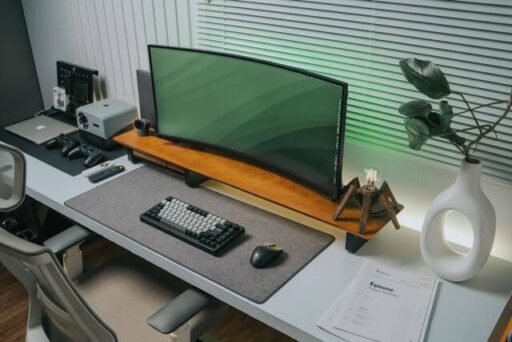
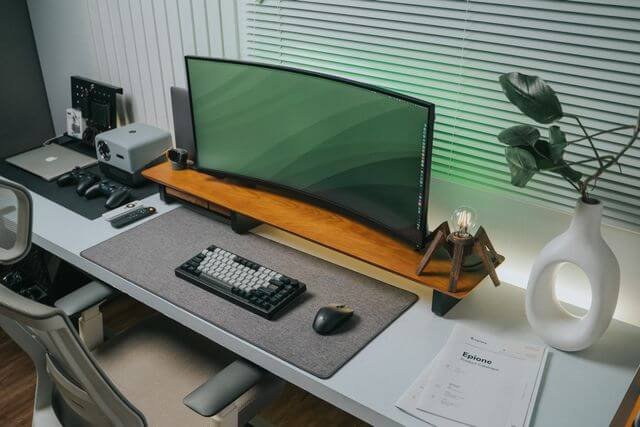
Looking down at a screen all day places constant pressure on the neck and upper back. A monitor stand helps raise your screen to eye level, encouraging better posture throughout the day.
This upgrade also creates extra desk storage underneath, which helps reduce clutter and keeps your workspace feeling more organized. Even a simple riser can improve comfort significantly during long periods of focused work.
- Reduce Eye Strain During Screen Time
Extended screen exposure can leave your eyes feeling dry, tired, and unfocused. Taking short breaks is important, but having the right visual support matters too.
Many professionals now keep dedicated reading glasses at their desk to make screen work and document reading more comfortable. Stylish and practical options like men’s reading glasses from Just Glasses can help reduce unnecessary strain during long hours of reading emails, spreadsheets, or reports. Their collection includes lightweight, foldable, and stainless steel designs suited for everyday office use.
Vision experts also note that many adults over 40 naturally experience difficulty focusing on close-up tasks due to presbyopia, making reading glasses increasingly useful during screen-heavy workdays.
- Add a Desk Mat
Desk mats are often overlooked, but they can improve both comfort and organization. A quality mat creates a softer surface for wrists and forearms while helping define your workspace visually.
Large desk mats also reduce noise from keyboards and accessories, making the environment feel calmer and more focused. This small detail can subtly improve concentration during stressful periods of work.
- Keep Everyday Essentials Within Reach
Repeatedly searching for chargers, notebooks, or pens creates small interruptions that add up throughout the day. Simple organizers, cable management clips, and drawer dividers help create a more efficient workspace.
A cleaner desk also tends to feel mentally lighter. When everything has a place, it becomes easier to stay focused on important tasks rather than visual clutter.
Create a Workspace That Supports You
A desk setup should do more than simply hold your computer. It should support the way you work and help you feel comfortable during demanding days.
Small upgrades often create the biggest improvements because they address the little frustrations that build up over time. Better lighting, improved posture support, reduced eye strain, and smarter organization can all contribute to a workspace that feels easier to spend time in.
When your environment works with you instead of against you, long workdays become far more manageable.