

Staring at screens fills the average workday from start to finish. Computers, tablets, and smartphones dominate desk spaces, keeping teams tethered to digital environments. Many companies notice drops in daily output without understanding the root cause.
The culprit hides in plain sight and projects from luminous office displays. Artificial light affects focus and stamina in ways that standard metrics miss. Protecting teams from these effects supports daily workflow.
The Invisible Drain On Modern Office Workspaces
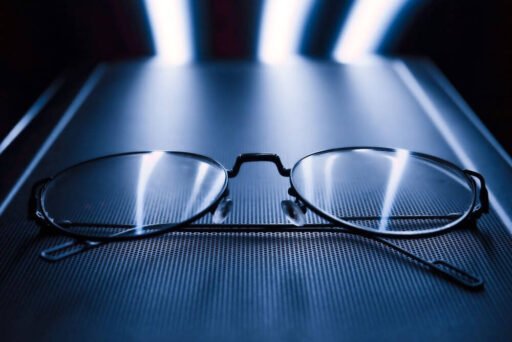
Office environments push employees to maximize screen time to meet strict deadlines. Investing in blue light glasses from this brand protects the eyes from harsh artificial wavelengths during long shifts. Workers gain a defensive layer against constant brightness, supporting long-term comfort.
Bright displays drain stamina slowly throughout the morning hours. Employees rarely notice the shift until mental fatigue sets in. Adjusting the office setup prevents that late-afternoon slump from ruining project timelines. Sharp teams require tools that match human biological limits.
Physical environment design affects daily operational success. Disregarding screen glare leads to a steady drop in focus across departments. Smart managers address these issues before output metrics decline.
The Biological Cost Of Screen Glare
Constant exposure to artificial glow alters how the eyes process visual information. Their data shows nearly 50% of workers report experiencing eye strain or discomfort due to prolonged screen time, including digital eye strain, fatigue, and reduced productivity.
When physical discomfort sets in, clear thinking slows down dramatically. Staff members spend extra energy just trying to read spreadsheets clearly. The constant struggle burns through mental reserves before the lunch hour arrives. Management mistakes this physical fatigue for a lack of motivation.
Straining to read fine text places a heavy cognitive load on the brain. Workers process text more slowly when glare diminishes the screen contrast. Resolving visual friction allows minds to focus on complex problem-solving.
Sleep Disruptions Equal Morning Brain Fog
Late evening work sessions create lingering effects that ruin the next morning. High-energy light waves mimic daylight, tricking the brain into thinking it is still noon. Artificial signal delays the natural production of sleep hormones, leaving professionals tossing and turning.
Poor sleep quality damages cognitive functions like memory recall and decision-making. Sleep-deprived teams struggle to solve complex issues or maintain standard speeds. Tired minds struggle with basic data entry and communication tasks. Organizations suffer when restless nights decrease standard output.
Natural sleep cycles dictate mood patterns. Disrupting these patterns with late-night device use creates a cycle of exhaustion. Breaking this chain requires intentional screen routines after hours.
Simple Shifts For Better Digital Wellness
Managing light exposure does not require completely abandoning modern office devices. Small adjustments to daily habits protect vision and keep performance high. A digital design publication recommends specific adjustments to handle screen glare. Consider these practical adjustments for your office setup:
- Turn on built-in software features on every desktop
- Activate blue-light filters or night mode settings on devices
- Position monitors away from direct window glare to lower reflections
Lowering the intensity of glowing pixels grants immediate relief to tired users. Teams can work at a steady pace without fighting blinding office displays. Small changes affect how staff feel by evening.
Long-Term Habits For Visual Comfort
Taking regular breaks halts the cycle of continuous focal stress. Clinical studies demonstrate that consistent application of a timed rest rule can reduce eye strain symptoms by up to 50% within two weeks of implementation.
Looking away gives small ocular muscles a chance to relax completely. Consistent breaks prevent the heavy exhaustion that builds up by mid-afternoon. Employees return to their duties with renewed focus and sharper vision. Brief rests keep error rates low during data-heavy assignments. Simple physical habits require zero expensive hardware to execute.
The Direct Link To Workplace Errors
Tired eyes misread small numbers and omit critical punctuation details. When visual fatigue peaks, proofreading accuracy plunges. Staff members drop their standards simply to finish tasks faster when dealing with physical strain.
Fixing mistakes drains time that could support new corporate growth. Teams end up repeating work instead of advancing current objectives. Preventing eye strain from the start protects project timelines.
High accuracy demands fresh minds and relaxed vision. Minor oversights in data reporting can cause major financial miscalculations. Keeping eyes comfortable safeguards company standards at every level of operation.
Small Adjustments Broaden Corporate Focus
Bright office bulbs compound the issues caused by personal computer monitors. Combining overhead glare with bright pixels forces the eyes to work twice as hard to maintain sharp focus. Upgrading workplace environments helps teams maintain steady output without suffering from afternoon headaches.
Energy levels are still steady when lighting setups match natural human needs. Businesses profit when their teams operate without constant physical distractions. Comfort workspaces naturally invite higher engagement and creativity. Clear vision allows workers to process complex information quickly.
Optimizing the office environment shows a clear commitment to staff health. People appreciate working in environments that respect their physiological needs. Small lighting upgrades deliver massive benefits in total company morale.
Protecting teams from digital glare represents a smart investment in daily corporate performance. Addressing light exposure removes an invisible barrier to efficiency and mental clarity. Workers stay sharp, make fewer errors, and finish tasks with energy left over.
Simple workplace interventions transform a tiring environment into a space where everyone focuses more easily. Better vision care translates into a more capable, relaxed workforce.