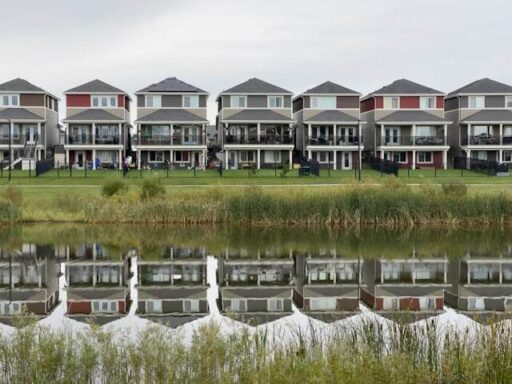
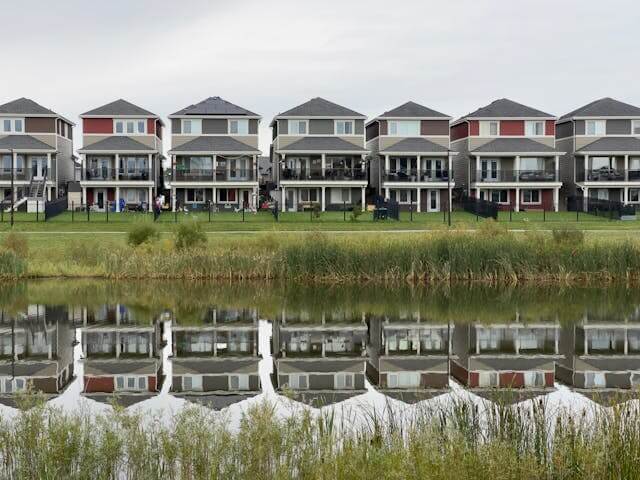

When you are shopping for a new home, it is easy to focus entirely on the physical house itself, like the number of bedrooms, the kitchen layout, or the backyard size. However, the surrounding neighborhood actually plays a massive role in determining what that property is worth.
Some residential areas consistently hold higher real estate values and attract eager buyers, while other similar-looking neighborhoods struggle to keep up. The secret often lies in how well the community is run and what it feels like to live there. Well-managed communities offer a lifestyle that people are willing to pay a premium for.
Dawn M. Bauman, CAE, Chief Executive Officer of the Community Associations Institute, points out that people choose community association living for the practical benefits it offers. She notes that shared amenities, professionally maintained grounds, and protected property values are part of the appeal, but the greater value is how these neighborhoods bring people together.
According to Bauman, that sense of connection directly contributes to residents’ well-being while fostering more engaged communities.
Ultimately, the residential areas that command the highest value are those that balance strong physical upkeep with a healthy social fabric. Understanding these factors helps explain what truly drives long-term value in modern residential developments.
Location and Accessibility Still Drive the Foundation
No single factor influences residential value more consistently than location and accessibility. According to Investopedia, this reality is why “location, location, location” is a common mantra in real estate. Properties command more value when they are centrally located near top-rated schools, transportation hubs, shopping, and parks.
Where you live undoubtedly affects home prices because land is a finite commodity. Highly developed cities with no room to expand naturally maintain higher prices.
Conversely, when sprawling cities experience a population exodus, outlying areas suffer the most severe declines in property value. This dynamic shows how location impacts the fundamental economic tenet of supply and demand. Communities with strong accessibility fundamentals perform best over time.
Proximity to employment centers and transit infrastructure adds layers of desirability that buyers gladly pay for. Location alone cannot sustain community value, but without it, every other advantage becomes much harder to hold.
Physical Appearance and Maintenance Standards
Drive through a high-value community, and the difference is immediately visible. Landscaping is groomed, common areas are clean, and infrastructure is well-maintained. This is not accidental. Communities that enforce strict exterior upkeep signal to buyers that their investment is protected.
Curb appeal operates at both the individual and neighborhood level. A single neglected yard drags down surrounding values, meaning proactive maintenance is essential.
However, strict standards can sometimes trigger community conflict. A Reston resident recently faced fines and possible legal action from her homeowners’ association over the presence of milkweed on her property.
According to the U.S. Fish and Wildlife Service, milkweed has a bad reputation but is vital for monarch caterpillars and toxic to invasive spotted lanternflies. The homeowner argued the association’s plant policies are outdated, highlighting the delicate balance communities must maintain between rigid aesthetics and modern landscaping.
Sound Financial Management
A community’s financial health is one of the strongest predictors of its long-term value. Well-run associations maintain healthy reserve funds, balanced operating budgets, and low delinquency rates. Using professional association bookkeeping services is central to achieving this stability.
According to Ledgerly, community finances are not like business finances. Professional community bookkeepers know the difference between operating reserves and special assessments, and they know how to explain these differences clearly to your board.
Investing in specialized accounting prevents unexpected special assessments, financial surprises, and toxic governance disputes that erode buyer confidence. When a potential buyer’s lender requests financial documents during a home purchase, a well-kept set of books signals a stable, responsibly managed neighborhood.
Clear financial records directly support higher property valuations, proving that what happens behind the scenes financially matters just as much to home values as visible curb appeal.
Quality of Amenities and Shared Spaces
Well-maintained and thoughtfully designed amenities add genuine, measurable value to residential communities. Swimming pools, fitness centers, walking trails, dog parks, playgrounds, and clubhouses all contribute to a lifestyle premium that buyers factor into their offer prices.
But the key word is well-maintained. Amenities that are aging, poorly functioning, or inaccessible due to poor management can actually hurt community value by suggesting financial mismanagement or deferred investment.
High-value communities treat amenities as long-term assets rather than short-term perks. They conduct regular inspections, budget for repairs and upgrades, and retire or replace facilities before they become eyesores or liability risks. Communities that consistently upgrade amenities in line with resident expectations retain a competitive advantage in the marketplace.
Safety, Security, and Community Culture
Buyers rank safety near the top of their decision-making criteria, and communities investing in security infrastructure reflect that priority in their market values. Gated access, neighborhood watch programs, and camera systems all contribute to a safety profile that commands a premium.
However, security rules can trigger friction. In Henderson, 75-year-old Manuel Galindo is fighting his homeowners association over outdoor security cameras he installed on his townhome. After losing packages to theft, Galindo put up five cameras and noted that his life immediately became much better, as the theft stopped completely.
This dispute highlights how rigid rules can collide with practical safety needs. Physical security infrastructure is only part of the equation. True value relies on a balanced community culture where residents look out for one another. A supportive, safe neighborhood attracts like-minded buyers, creating a cycle of care that sustains property values over time.
Frequently Asked Questions
What factors most influence the value of a residential community?
The biggest drivers of community value include location, maintenance standards, financial management, amenities, safety, and overall community culture. These factors together determine how attractive a neighborhood is to buyers and how well it retains long-term property value.
Why do well-managed communities have higher property values?
Well-managed communities maintain clean environments, strong financial records, properly funded reserves, and consistent upkeep. This reduces risk for buyers, improves living conditions, and builds confidence that the community is stable and well-governed.
Can amenities increase home value even if the homes are similar?
Yes, amenities like pools, parks, gyms, and clubhouses can significantly increase perceived value. However, they must be properly maintained. Poorly maintained amenities can have the opposite effect and reduce buyer interest.
Key Findings From Residential Communities
| Supply and demand factor | Limited land supply in developed cities increases property values |
| Accessibility trend | Remote work has expanded buyer flexibility, but well-connected areas still perform best |
| Amenities value | Well-maintained amenities add measurable lifestyle and price premiums |
| Safety factor | Security features like cameras and gated access increase buyer willingness to pay |
| Community culture | Strong resident engagement helps stabilize and sustain long-term property values |
Property value is not just a function of market cycles. It is largely a product of how a community is managed and cared for over time. Location sets the foundation, but the combination of physical maintenance, financial discipline, quality amenities, and safety separates rising communities from stagnating ones.
For homeowners and board members alike, understanding these drivers offers practical guidance for protecting life’s most significant investment. By prioritizing proactive upkeep and stable financial planning, a neighborhood creates a lasting lifestyle premium that secures long-term real estate value.