
Construction defects can pose serious safety hazards, cause property damage, and result in financial losses for homeowners, landlords, and commercial property owners. Small issues, such as minor leaks or cracks, often worsen over time if left undetected, leading to costly repairs and complex legal disputes.
Houston has experienced rapid construction growth over the past decade, with numerous residential developments, commercial buildings, and mixed-use projects. The city’s expanding infrastructure and ongoing development projects have increased the demand for quality construction while also highlighting the importance of identifying and addressing defects before they compromise a property’s safety or value.
Because construction defects can occur in any type of property, many property owners often need legal assistance filing a construction defect claim in Houston to protect their rights and address defects before they become major problems. Early inspection is critical because it identifies problems promptly, preserves evidence, and ensures property owners can take timely action against negligent contractors or builders.
Why Early Inspection Matters
Early inspection plays a key role in protecting property owners from escalating damages. The longer defects go unnoticed, the more extensive repairs often become, and the harder it may be to hold contractors accountable.
An early inspection helps property owners:
- Detect hidden defects before they worsen
- Document evidence for insurance or legal purposes
- Preserve property value
- Reduce long-term repair costs
- Establish timelines for claims
Property owners who delay inspections risk more complex, costly legal disputes, as evidence may degrade over time.
How Inspectors Identify Defects
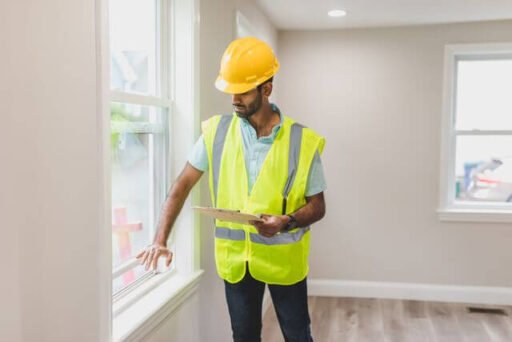
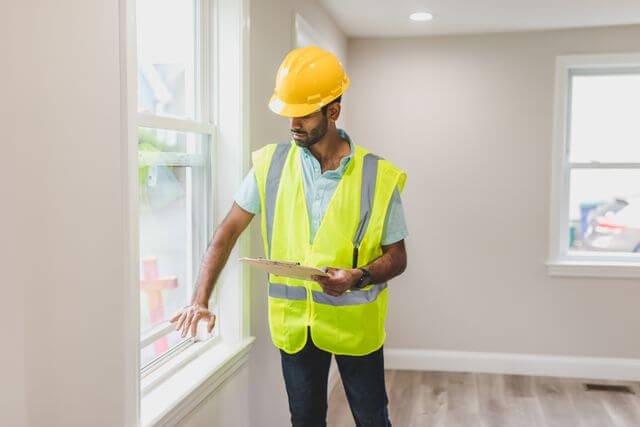
Professional inspectors use specialized tools and expertise to evaluate a property for construction flaws. They assess structural integrity, mechanical systems, and overall building safety to identify defects that may not be visible to the untrained eye.
Inspectors typically examine:
- Foundations and load-bearing walls
- Roof and drainage systems
- Plumbing and electrical installations
- HVAC systems
- Windows, doors, and flooring
- Moisture intrusion and mold
These inspections often include photographs, measurements, and detailed reports that serve as crucial documentation for insurance or legal claims.
Evidence Preservation in Defect Cases
Preserving evidence early is vital for any construction defect claim. As defects worsen or repairs are made, critical information about the original issue may be lost. Early inspection ensures that evidence is properly documented while the defect remains identifiable.
Important evidence may include:
- Photographs of damaged areas
- Inspection reports from licensed professionals
- Construction plans and material specifications
- Expert evaluations of artistry
- Laboratory testing of materials
Proper documentation can strengthen a property owner’s position when negotiating settlements or filing a lawsuit.
How Delays Increase Repair Costs
Construction defects often worsen if left unaddressed. Small leaks can lead to extensive water damage, minor cracks can compromise structural stability, and faulty systems may cause safety hazards.
Examples of escalating issues include:
- Roof leaks are causing mold growth
- Plumbing issues are damaging the walls and flooring
- Foundation settlement leading to cracks in walls and ceilings
- Electrical problems create fire hazards
Prompt inspection reduces the likelihood that defects will escalate, helping property owners control repair costs and legal exposure.
Warning Signs That Require Immediate Attention
Property owners should be alert to common indicators of potential defects. Recognizing warning signs early allows for timely inspections and remediation.
Common signs include:
- Cracked or uneven floors and walls
- Sagging ceilings or rooflines
- Water stains or moisture damage
- Persistent mold growth
- Windows or doors that do not close properly
- Poor drainage around the foundation
Even minor visible problems can indicate deeper issues that require professional evaluation.
The Role of Expert Reports
Professional reports are critical in construction defect cases. They provide a detailed analysis of the defect, identify the responsible parties, and explain necessary repairs.
A thorough report typically includes:
- Identification of the defect and its cause
- Evaluation of potential safety risks
- Estimated repair costs
- Professional recommendations
- Documentation of construction standards violations
Courts and insurance companies often rely on these reports to assess claims accurately.
Legal Implications of Construction Defects
Failing to inspect early can complicate legal proceedings. Courts often examine when a defect was discovered, whether the property owner acted promptly, and the extent of the damage.
Early inspection can help property owners:
- Establish timelines for liability
- Identify negligent contractors or builders
- Support insurance claims
- Strengthen litigation if necessary
Delaying inspection can make it difficult to prove causation or responsibility, potentially reducing compensation.
How Early Inspection Supports Insurance Claims
Insurance companies often require evidence of defects and documentation of resulting damage to process claims. Early inspections provide the necessary information to validate claims and avoid disputes about the cause or severity of the damage.
Documentation that may assist insurers includes:
- Photos and video evidence
- Inspection reports
- Repair estimates
- Contractor communications
- Maintenance records
This evidence ensures a smoother insurance process and strengthens potential legal claims.
Key Takeaways
- Construction defects can worsen over time and create safety hazards.
- Early inspection helps identify hidden defects before they escalate.
- Inspectors evaluate structural, mechanical, and environmental factors.
- Preserving evidence early strengthens insurance and legal claims.
- Delays often increase repair costs and complicate liability disputes.
- Expert reports provide critical analysis for legal proceedings.
- Acting quickly protects property value, safety, and legal rights.
Early inspection is not only a practical measure for maintaining property but also a crucial step in protecting legal rights and financial interests in construction defect cases. By acting promptly, property owners in Houston can address defects effectively and minimize long-term consequences.