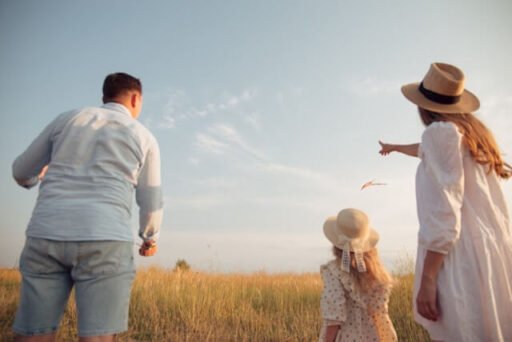

The all-inclusive resort has its appeal. Everything within walking distance, entertainment on tap, no decisions to make beyond what to eat and when. But ask most parents what they actually remember from family holidays, and the stories rarely start with the buffet or the pool bar. They start with the morning a child spotted a dolphin from a clifftop. The afternoon everyone got caught in unexpected rain and laughed about it for years. The evening the kids fell asleep in the car on the way back from the beach, completely spent in the best possible way. The experiences that stick are almost always the ones where nature did most of the work.
Where the Real Memories Get Made
There’s something that happens to families when they get out of built environments and into natural ones. Screens become less interesting. Kids who are usually glued to devices find something to poke at in a rock pool or a reason to climb something. The pace slows down in a way that’s hard to manufacture indoors, and conversations happen that wouldn’t otherwise.
Nature-based holidays also have a way of levelling the playing field between adults and children. A five-year-old spotting a bird before the adults do is genuinely exciting. A teenager who navigates a trail confidently gets a different kind of confidence than any classroom can offer. The environment changes the dynamic in ways that you feel but rarely planned for.
For families looking for this kind of holiday on the New South Wales coast, Reflections Hawks Nest offers exactly the kind of setting where nature does the heavy lifting. Positioned where the Myall Lakes meet the coastline, with beach access, birdlife, and the kind of unhurried atmosphere that makes it easy to just be somewhere rather than rushing through it. It’s the type of place where kids are outside from breakfast until dark and parents don’t feel guilty about it.
The Health Case Is Hard to Argue With
Spending time outdoors isn’t just pleasant. The evidence for what it does to children’s physical and mental health is fairly substantial. Vitamin D exposure, reduced cortisol, improved sleep quality, better attention spans in the days following time spent in green and blue spaces. Adults aren’t exempt from any of this. Chronic stress responds to natural environments in measurable ways that built environments simply don’t replicate.
For families where daily life runs at a pace that doesn’t leave much room for genuine rest, a nature-based holiday does something a city hotel weekend doesn’t. It creates the conditions for actual recovery. Not just a change of location but a change of physiological state. The connection between outdoor time and human wellbeing runs deeper than most people factor into their travel decisions, and for children especially the benefits compound quickly.
Flexibility That Resort Travel Can’t Match
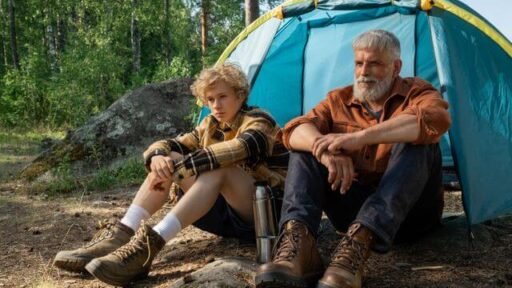
Nature-based accommodation tends to give families something that structured resort holidays don’t: the freedom to do things at their own pace with no agenda imposed from outside. A morning when everyone sleeps in because the previous day was big. An afternoon that turns into an impromptu beach walk because someone noticed the tide was right. A meal cooked at the campsite because nobody felt like going anywhere.
This flexibility matters more with kids than it does for adults travelling alone, because children don’t always cooperate with plans and the most memorable moments are frequently the unplanned ones. A caravan park or holiday cabin in a natural setting gives a family a base and then gets out of the way, which is often exactly what’s needed.
What Kids Learn Without Realising It
Holidays in natural settings are quietly educational in ways that more curated experiences aren’t. Kids learn to read weather, to pay attention to their surroundings, to manage mild discomfort without it being a crisis. They develop a baseline familiarity with the natural world that urban life doesn’t reliably provide, and that familiarity builds into something over time.
There’s also something worth saying about boredom. Not the frantic kind that demands immediate entertainment, but the slow productive kind where a child has to figure out what to do next because the environment isn’t providing a constant stimulus. That kind of boredom is where imagination develops, and natural settings are one of the few places left that reliably produce it. Families who have made nature-based travel a regular part of their rhythm often find that the habit reshapes how the whole family relates to downtime, outdoor space, and each other.
The memories a family builds in natural places tend to be the ones that get talked about longest. Not because they were the most expensive or the most organised, but because they were the most real.