
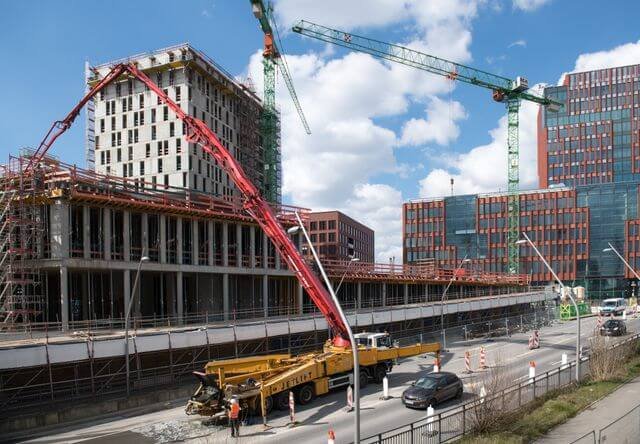

Finding high-quality materials at competitive prices remains a persistent challenge for the construction sector in Australia and the United Kingdom. With ongoing supply chain pressures and rising material costs, contractors and developers are increasingly looking for alternative procurement strategies. One emerging opportunity lies within the public health sector through the reuse and disposal of NHS surplus assets.
NHS surplus assets, including decommissioned equipment, reclaimed fixtures, and repurposed building components, are helping support affordable construction projects while contributing to broader sustainability objectives. This approach forms part of a wider strategy to reduce public-sector waste, lower operational costs, and maximise the value of underutilised resources.
The NHS Estate and Its Hidden Potential
The NHS manages one of the largest property portfolios in the United Kingdom. Many of its buildings are ageing, underutilised, or no longer suitable for healthcare use. Rather than leaving these assets vacant, NHS organisations increasingly dispose of surplus properties and materials to generate funding and reduce maintenance costs.
Research from NHS Property and Estates suggests that the health service could support the delivery of more than 26,000 homes while releasing almost £2 billion in assets. This highlights the significant opportunities available within the public health estate for developers, local authorities, and community housing projects.
For contractors and developers, sourcing building materials from NHS disposal programmes can provide access to quality materials originally installed in facilities built to stringent construction and safety standards. This combination of affordability and reliability makes surplus NHS assets an increasingly attractive option for construction projects.
Why Surplus Disposal Benefits Everyone
The disposal of surplus NHS assets delivers benefits across multiple sectors. By reducing the number of underutilised properties and facilities requiring maintenance, the NHS can lower operational costs and reduce its environmental footprint. Funds generated through asset disposal can then be redirected towards frontline healthcare services and infrastructure improvements.
The NHS construction market update highlighted that capital funding for NHS construction reached £3.7 billion. This demonstrates the sector’s ongoing investment in modernisation and reflects growing interest in more efficient and sustainable asset management practices.
Communities also benefit from the release of surplus NHS land. Across the UK, former NHS sites have been repurposed to support housing developments, community facilities, and regeneration projects. Studies have suggested that surplus public-sector land in London alone could accommodate tens of thousands of new homes if redeveloped effectively.
How Construction Projects Are Using These Assets
Construction professionals are finding practical ways to incorporate reclaimed NHS materials into new developments. The opportunities extend well beyond office furniture. Materials ranging from structural steel and plumbing fixtures to cabinetry, modular panels, and specialist fittings are being recovered and reused across a variety of projects.
Because healthcare facilities are constructed to rigorous standards, many of these materials remain suitable for reuse when properly assessed and refurbished. This can provide developers with access to quality materials at a lower cost than purchasing equivalent new products.
For affordable housing developments, the potential cost savings can be substantial. Reclaimed materials allow project teams to maximise limited budgets while maintaining quality and compliance standards. This is particularly valuable at a time when rising construction costs continue to place pressure on housing delivery.
Smaller contractors can also benefit from improved access to affordable, high-quality materials. By reducing procurement costs, surplus asset programmes can help smaller firms remain competitive while maintaining project quality.
Supporting Community Wellbeing Through Smarter Development
The relationship between NHS estate strategy and community wellbeing extends beyond property management. When surplus NHS land is redeveloped into housing or community facilities, it can help address broader social and economic challenges that influence health outcomes.
Access to stable and affordable housing has long been recognised as an important factor in supporting healthier communities. By making surplus land available for development, NHS organisations can contribute to projects that provide lasting social benefits while reducing future pressure on public services.
NHS England has consistently highlighted the importance of creating strong and sustainable communities through effective estate management. Redirecting surplus assets towards community-benefit projects reflects this objective while supporting local economic development.
Releasing NHS estates for redevelopment is therefore more than an administrative process. It represents an opportunity to generate measurable benefits for residents, developers, local authorities, and the wider economy.
What This Means for the Future of Affordable Construction
The growing availability of NHS surplus assets presents a meaningful opportunity for the construction sector. As public-sector organisations continue to review and rationalise their estates, the supply of quality reclaimed materials and redevelopment opportunities is likely to remain significant.
Developers and contractors who establish procurement relationships with NHS disposal programmes may be better positioned to access future surplus asset opportunities. As sustainability requirements continue to influence procurement decisions, reclaimed materials are expected to play an increasingly important role within the construction industry.
Using surplus materials from public-sector sources supports several key objectives. It helps reduce landfill waste, lowers the embodied carbon associated with new construction materials, and aligns with circular economy principles that are gaining support across both government and industry.
For builders, community housing developers, and project managers seeking cost-effective procurement solutions, NHS surplus assets offer practical value. Exploring these opportunities is not simply a cost-saving measure. It can also contribute to more sustainable and community-focused construction outcomes.
Healthcare’s Greenest Blueprint
The growing use of NHS surplus assets demonstrates how existing resources can be repurposed to support construction projects while reducing waste. By incorporating suitable reclaimed materials into new developments, contractors and developers can achieve both commercial and environmental benefits.
As demand for affordable housing and sustainable building practices continues to grow, the reuse of public-sector assets is likely to become an increasingly important part of construction procurement strategies. The ability to reduce costs, minimise waste, and support community development makes NHS surplus assets a valuable resource for forward-thinking construction professionals.