
Families across Australia are increasingly drawn to the unparalleled beauty of the outback, seeking out rugged landscapes and secluded camping spots away from the crowds. According to recent industry statistics, Australians took a record-breaking 17.3 million caravan and camping trips in 2025 alone. With 87 percent of those nights spent in regional or remote areas rather than urban centres, going off the grid is clearly a national passion. Escaping the daily grind to spend quality time under the stars has never been more appealing.
The national registered fleet of recreational vehicles reached 937,000 in 2025, which is a massive 32 percent increase since 2019. Furthermore, off-road capable wagons and utility vehicles now account for over 60 percent of the new car market share. With so many families upgrading their daily drivers to capable 4x4s, the temptation to explore the vast interior is stronger than ever. However, transitioning a vehicle from city commuting to remote overlanding takes deliberate preparation and the right equipment to ensure the whole family remains safe and comfortable on long journeys.
Matching Your Basecamp to the Terrain
When heading into remote regions, a standard family SUV and a basic trailer simply will not cut it. You need a setup designed to withstand harsh, repetitive impacts without falling apart. State authorities strictly advise that any camper trailer taken onto unsealed remote roads must be purpose-built for the environment. For instance, the Government of Western Australia’s road safety guidelines for towing emphasise that trailers need four-wheel-drive tyres, a high clearance, and upgraded suspension to survive severe corrugations.
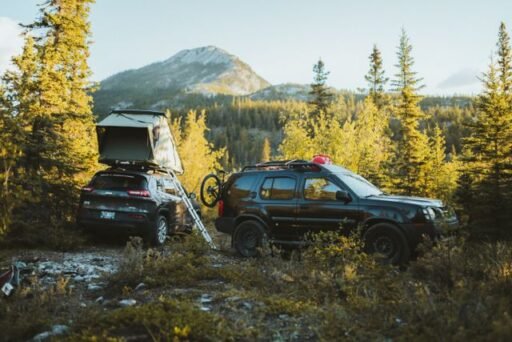
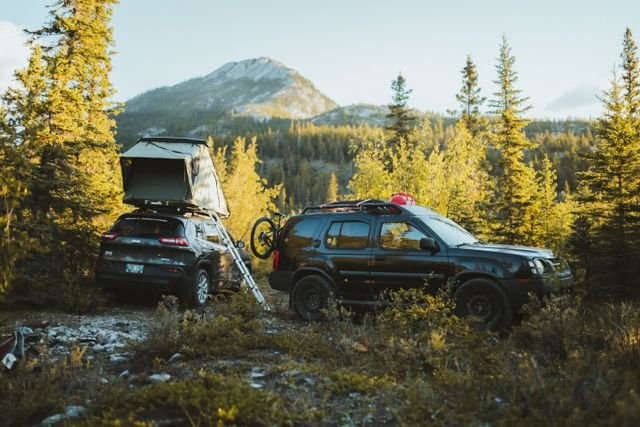
Keeping a family happy off the grid means finding a balance between rugged capability and campsite comfort. Many families find that investing in high-quality Australian off road campers ensures their towable gear features the heavy-duty construction needed for the outback. These specialised setups often include fully articulating hitches that prevent the trailer from rolling or compromising the tow vehicle’s stability when navigating deep washouts, giving drivers complete peace of mind on challenging dirt tracks. Having a reliable basecamp also means you can set up quickly, allowing everyone to relax after a long day of travel.
Essential Vehicle Preparation and Driving Tactics
Transitioning from sealed bitumen to dirt puts immense strain on your vehicle. Before packing the car, ensure all routine maintenance is fully up to date. Checking fluid levels, inspecting belts, and replacing worn brake pads will drastically reduce the chances of a mechanical breakdown. It is also wise to inspect the cooling system, as outback temperatures can push an engine to its limits. Automotive experts warn that standard factory suspensions are generally insufficient for continuous, fully-loaded travel on eroded roads. Upgrading your 4×4 to an aftermarket heavy-duty suspension system is a highly recommended step for reliable remote touring.
Once your vehicle is physically modified for the outback, adapting your driving habits is equally critical to prevent damage. Navigating changing surface conditions requires patience and a willingness to adjust your approach on the fly. Off-road instructors strongly recommend adopting the following driving tactics:
- Follow the 20 percent rule. When leaving the bitumen for a dirt track, reduce your tyre pressure by 20 percent and drop your driving speed by 20 percent to prevent punctures and limit vehicle stress.
- Lower your tyre pressure further for extreme corrugations. Dropping cold tyre pressures to between 26 and 30 PSI allows the tyre sidewalls to absorb harsh impacts instead of transferring that violent shock directly to the vehicle’s chassis.
- Always engage 4WD High on unsealed dirt roads. This simple step significantly improves traction, reduces long-term tyre wear, and distributes the towing load much more safely across the vehicle.
- Pack an emergency repair kit. Always carry a comprehensive tyre repair kit, a portable air compressor, and basic hand tools to handle minor trail repairs independently.
Prioritising Safety and Emergency Communication
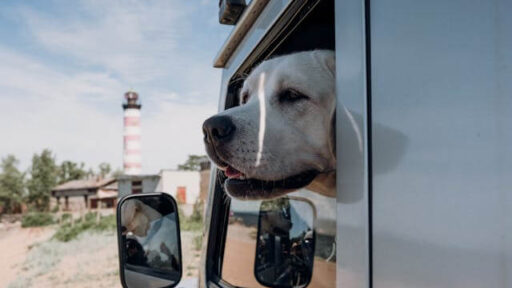
When planning the logistics of who is coming on the trip, establishing strict safety protocols is an absolute must. As often highlighted in our automotive lifestyle guides, managing the dynamics of a multi-generational camping trip or travelling with family pets requires preparing for every possible scenario before you lose mobile reception. Taking the time to plan frequent rest stops and pack adequate first aid supplies will keep everyone healthy and in good spirits.
A Personal Locator Beacon (PLB) is widely considered a non-negotiable survival tool for off-grid family travel. Unlike commercial satellite messengers, a PLB requires no ongoing subscription. It transmits a 406 MHz distress signal directly to the international satellite system, instantly alerting emergency rescue coordination centres of your exact coordinates. Knowing you have a direct lifeline to emergency services provides immense comfort when exploring isolated territories.
While portable satellite internet systems are becoming incredibly popular for campsite entertainment and remote work, safety authorities stress they should never replace a PLB for critical emergencies due to their reliance on the vehicle’s power supply. Because typical outback emergencies can involve complete electrical failure or the need to abandon your vehicle entirely, always carry your PLB physically on your person or keep it packed in a dedicated emergency grab-bag. By combining the right gear with smart preparation, you can guarantee your next family off-grid adventure is memorable for all the right reasons.